Bhagavad Gita - Chapter 14 - Shloka (Verse) 25
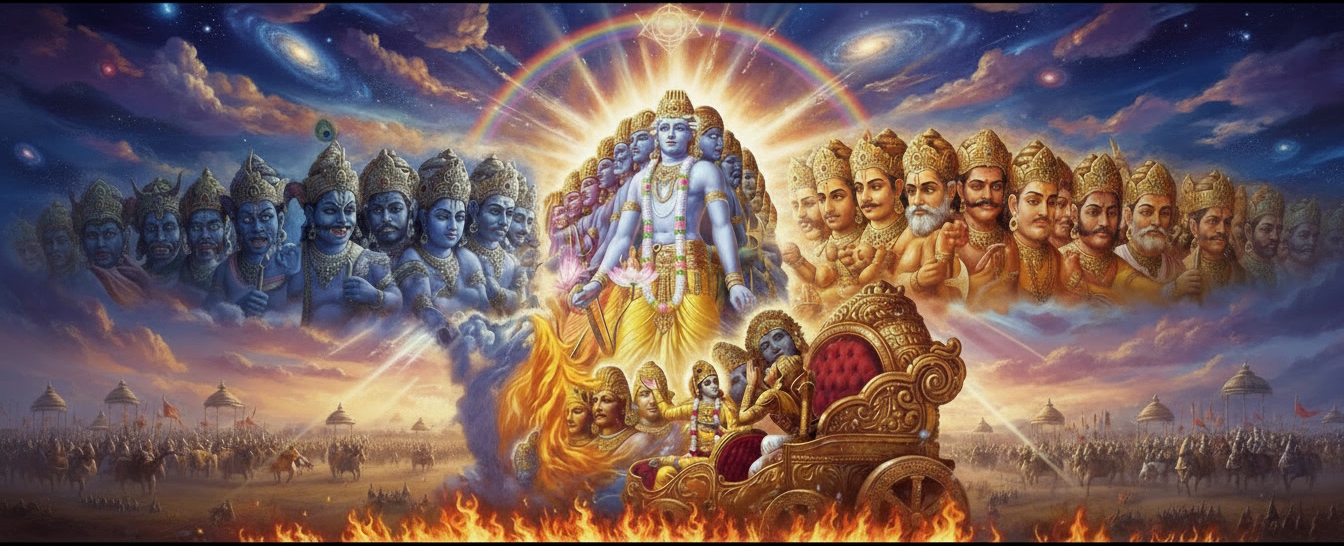
मानापमानयोस्तुल्यस्तुल्यो मित्रारिपक्षयोः।
सर्वारम्भपरित्यागी गुणातीतः स उच्यते।।14.25।।
mānāpamānayostulyastulyo mitrāripakṣayoḥ|
sarvārambhaparityāgī guṇātītaḥ sa ucyate||14.25||
Translation
Who is the same in honour and dishonour, the same to friend and foe, abandoning all undertakings he is said to have transcended the alities.
हिंदी अनुवाद
जो धीर मनुष्य सुख-दुःखमें सम तथा अपने स्वरूपमें स्थित रहता है; जो मिट्टीके ढेले, पत्थर और सोनेमें सम रहता है जो प्रिय-अप्रियमें तथा अपनी निन्दा-स्तुतिमें सम रहता है जो मान-अपमानमें तथा मित्र-शत्रुके पक्षमें सम रहता है; जो सम्पूर्ण कर्मोंके आरम्भका त्यागी है, वह मनुष्य गुणातीत कहा जाता है।
Commentaries & Translations
Swami Ramsukhdas
व्याख्या -- धीरः? समदुःखसुखः -- नित्यअनित्य? सारअसार आदिके तत्त्वको जानकर स्वतःसिद्ध स्वरूपमें स्थित होनेसे गुणातीत मनुष्य धैर्यवान् कहलाता है।पूर्वकर्मोंके अनुसार आनेवाली अनुकूलप्रतिकूल परिस्थितिका नाम सुखदुःख है अर्थात् प्रारब्धके अनुसार शरीर? इन्द्रियों आदिके अनुकूल परिस्थितिको सुख कहते हैं और शरीर? इन्द्रियों आदिके प्रतिकूल परिस्थितिको दुःख कहते हैं। गुणातीत मनुष्य इन दोनोंमें सम रहता है। तात्पर्य है कि सुखदुःखरूप बाह्य परिस्थितियाँ उसके कहे जानेवाले अन्तःकरणमें विकार पैदा नहीं कर सकतीं? उसको सुखीदुःखी नहीं कर सकतीं।स्वस्थः -- स्वरूपमें सुखदुःख है ही नहीं। स्वरूपसे तो सुखदुःख प्रकाशित होते हैं। अतः गुणातीत मनुष्य आनेजानेवाले सुखदुःखका भोक्ता नहीं बनता? प्रत्युत अपने नित्यनिरन्तर रहनेवाले स्वरूपमें स्थिर रहता है।समलोष्टाश्मकाञ्चनः -- उसका मिट्टीके ढेले? पत्थर और स्वर्णमें न तो आकर्षण (राग) होता है और न विकर्षण (द्वेष) होता है। परन्तु व्यवहारमें वह ढेलेको ढेलेकी जगह रखता है? पत्थरको पत्थरकी जगह रखता है और स्वर्णको स्वर्णकी जगह (तिजोरी आदिमें) रखता है। तात्पर्य है कि यद्यपि उनकी प्राप्तिअप्राप्तिमें उसको हर्षशोक नहीं होते? वह सम रहता है? तथापि उनसे व्यवहार तो यथायोग्य ही करता है।ढेले? पत्थर और स्वर्णका ज्ञान न होना समता नहीं कहलाती। समता वही है कि इन तीनोंका ज्ञान होते हुए भी इनमें रागद्वेष न हों। ज्ञान कभी दोषी नहीं होता? विकार ही दोषी होते हैं।तुल्यप्रियाप्रियः -- क्रियमाण कर्मोंकी सिद्धिअसिद्धिमें अर्थात् उनके तात्कालिक फलकी प्राप्तिअप्राप्तिमें भी वह सम रहता है।तुल्यनिन्दात्मसंस्तुतिः -- निन्दा और स्तुतिमें नामकी मुख्यता होती है। गुणातीत मनुष्यका नामके साथ कोई सम्बन्ध नहीं रहता अतः कोई निन्दा करे तो उसके चित्तमें खिन्नता नहीं होती और कोई स्तुति करे तो उसके चित्तमें प्रसन्नता नहीं होती। इसी प्रकार निन्दा करनेवालोंके प्रति उसका द्वेष नहीं होता और स्तुति करनेवालोंके प्रति उसका राग नहीं होता।साधारण मनुष्योंकी यह एक आदत बन जाती है कि उनको अपनी निन्दा बुरी लगती है और स्तुति अच्छी लगती है। परन्तु जो गुणोंसे ऊँचे उठ जाते हैं? उनको निन्दास्तुतिका ज्ञान तो होता है और वे बर्ताव भी सबके साथ यथोचित ही करते हैं? पर उनमें निन्दास्तुतिको लेकर खिन्नताप्रसन्नता नहीं होती। कारण कि वे जिस तत्त्वमें स्थित हैं? वहाँ गुणोंवाली परकृत निन्दास्तुति पहुँचती ही नहीं।निन्दा और स्तुति -- ये दोनों ही परकृत क्रियाएँ हैं। उन क्रियाओंसे राजीनाराज होना गलती है। कारण कि जिसका जैसा स्वभाव है? जैसी धारणा है? वह उसके अनुसार ही बोलता है। वह हमारे अनुकूल ही बोले? हमारी निन्दा न करे -- यह न्याय नहीं है अर्थात् उसको बोलनेमें बाध्य करनेका भाव न्याय नहीं है? अन्याय है। दूसरोंपर हमारा क्या अधिकार है कि तुम हमारी निन्दा मत करो हमारी स्तुति ही करो दूसरी बात? कोई निन्दा करता है तो उसमें साधकको प्रसन्न होना चाहिये कि इससे मेरे पाप कट रहे हैं? मैं शुद्ध हो रहा हूँ। अगर कोई हमारी प्रशंसा करता है? तो उससे हमारे पुण्य नष्ट होते हैं। अतः प्रशंसामें राजी नहीं होना चाहिये क्योंकि राजी होनेमें खतरा हैमानापमानयोस्तुल्यः -- मान और अपमान होनेमें शरीरकी मुख्यता होती है। गुणातीत मनुष्यका शरीरके साथ तादात्म्य नहीं रहता। अतः कोई उसका आदर करे या निरादर करे? मान करे या अपमान करे? इन परकृत क्रियाओंका उसपर कोई असर नहीं पड़ता।निन्दास्तुति और मानअपमान -- इन दोनों ही परकृत क्रियाओंमें गुणातीत मनुष्य सम रहता है। इन दोनों परकृत क्रियाओंका ज्ञान होना दोषी नहीं है? प्रत्युत निन्दा और अपमानमें दुःखी होना तथा स्तुति और मानमें हर्षित होना दोषी है क्योंकि ये दोनों ही प्रकृतिके विकार हैं। गुणातीत पुरुषको निन्दास्तुति और मानअपमानका ज्ञान तो होता है? पर गुणोंसे सम्बन्धविच्छेद होनेसे? नाम और शरीरके साथ तादात्म्य न रहनेसे वह सुखीदुःखी नहीं होता। कारण कि वह जिस तत्त्वमें स्थित है? वहाँ ये विकार नहीं हैं। वह तत्त्व गुणरहित है? निर्विकार है।तुल्यो मित्रारिपक्षयोः -- वह मित्र और शत्रुके पक्षमें सम रहता है। यद्यपि गुणातीत मनुष्यकी दृष्टिमें कोई मित्र और शत्रु नहीं होता? तथापि दूसरे लोग अपनी भावनाके अनुसार उसे अपना मित्र अथवा शत्रु भी मान सकते हैं। साधारण मनुष्यको भी दूसरे लोग अपनी भावनाके अनुसार मित्र या शत्रु मान सकते हैं किन्तु इस बातका पता लगनेपर उस मनुष्यपर इसका असर पड़ता है? जिससे उसमें रागद्वेष उत्पन्न हो सकते हैं। परन्तु गुणातीत मनुष्यपर इस बातका पता लगनेपर भी कोई असर नहीं पड़ता। वस्तुतः मित्र और शत्रुकी भावनाके कारण ही व्यवहारमें पक्षपात होता है। गुणातीत मनुष्यके कहलानेवाले अन्तःकरणमें मित्रशत्रुकी भावना ही नहीं होती अतः उसके व्यवहारमें पक्षपात नहीं होता।एक व्यक्ति उस महापुरुषके साथ मित्रता रखता है और दूसरा व्यक्ति अपने स्वभाववश उस महापुरुषके साथ शत्रुता रखता है। जब उन दोनों व्यक्तियोंकी किसी बातको लेकर न्याय करनेका अवसर आ जाय? तब (व्यवहारमें) वह मित्रता रखनेवालेकी अपेक्षा शत्रुता रखनेवालेका कुछ अधिक पक्ष लेता है। जैसे -- पदार्थादिका बँटवारा करते समय वह मित्रता रखनेवालेको कम (उतना ही? जितना वह प्रसन्नतापूर्वक सहन कर सकता हो) और शत्रुता रखनेवालोंको कुछ ज्यादा पदार्थ देता है। यह भी समता ही कहलाती है क्योंकि अपने पक्षवालोंके साथ न्याय और विपक्षवालोंके साथ उदारता होनी चाहिये।सर्वारम्भपरित्यागी -- वह महापुरुष सम्पूर्ण कर्मोंके आरम्भका त्यागी होता है। तात्पर्य है कि धनसम्पत्तिके संग्रह और भोगोंके लिये वह किसी तरहका कोई नया कर्म आरम्भ नहीं करता। स्वतः प्राप्त परिस्थितिके अनुसार ही उसकी प्रवृत्ति और निवृत्ति होती है अर्थात क्रियाओंमें उसकी प्रवृत्ति कामना? वासना? ममतासे रहित होती है और निवृत्ति भी मानबड़ाई आदिकी इच्छासे रहित होती है।गुणातीतः स उच्यते -- यहाँ उच्यते पदसे यही ध्वनि निकलती है कि उस महापुरुषकी गुणातीत संज्ञा नहीं है किन्तु उसके कहे जानेवाले शरीर? अन्तःकरणके लक्षणोंको लेकर ही उसको गुणातीत कहा जाता है।वास्तवमें देखा जाय तो जो गुणातीत है? उसके लक्षण नहीं हो सकते। लक्षण तो गुणोंसे ही होते हैं अतः जिसके लक्षण होते हैं? वह गुणातीत कैसे हो सकता है परन्तु अर्जुनने भी गुणातीतके ही लक्षण पूछे हैं और भगवान्ने भी गुणातीतके ही लक्षण कहे हैं। इसका तात्पर्य यह है कि लोग पहले उस गुणातीतकी जिस शरीर और अन्तःकरणमें स्थिति मानते थे? उसी शरीर और अन्तःकरणके लक्षणोंको लेकर वे उसमें आरोप करते हैं कि यह गुणातीत मनुष्य है। अतः ये लक्षण गुणातीत मनुष्यको पहचाननेके संकेतमात्र हैं।प्रकृतिके कार्य गुण हैं और गुणोंके कार्य शरीरइन्द्रियाँमनबुद्धि हैं। अतः मनबुद्धि आदिके द्वारा अपने कारण गुणोंका भी पूरा वर्णन नहीं हो सकता? फिर गुणोंके भी कारण प्रकृतिका वर्णन हो ही कैसे सकता है जो प्रकृतिसे भी सर्वथा अतीत (गुणातीत) है? उसका वर्णन करना तो उन मनबुद्धि आदिके द्वारा सम्भव ही नहीं है। वास्तवमें गुणातीतके ये लक्षण स्वरूपमें तो होते ही नहीं किन्तु अन्तःकरणमें मानी हुई अहंताममताके नष्ट हो जानेपर उसके कहे जानेवाले अन्तःकरणके माध्यमसे ही ये लक्षण -- गुणातीतके लक्षण कहे जाते हैं।यहाँ भगवान्ने सुखदुःख? प्रियअप्रिय? निन्दास्तुति और मानअपमान -- ये आठ परस्पर विरुद्ध नाम लिये हैं? जिनमें साधारण आदमियोंकी तो विषमता हो ही जाती है? साधकोंकी भी कभीकभी विषमता हो जाती है। ऐसे इन आठ कठिन स्थलोंमें जिसकी समता हो जाती है? उसके लिये अन्य सभी अवस्थाओंमें समता रखना सुगम हो जाता है। अतः यहाँ उन्हीं आठ कठिन स्थलोंका नाम लेकर भगवान् यह बताते हैं कि गुणातीत महापुरुषकी इन आठों स्थलोंमें स्वतःस्वाभाविक समता होती है।गुणातीत मनुष्यकी जो स्वतःसिद्ध निर्विकारता है? उसकी जो स्वाभाविक स्थिति है? उसमें अनुकूलप्रतिकूल परिस्थितियोंके आनेजानेका कुछ भी फरक नहीं पड़ता। उसकी निर्विकारता? समता ज्योंकीत्यों अटल रहती है। उसकी शान्ति कभी भङ्ग नहीं होती।[चौबीसवें और पचीसवें -- इन दो श्लोकोंमें भगवान्ने गुणातीत महापुरुषकी समताका वर्णन किया है।] सम्बन्ध -- अर्जुनने तीसरे प्रश्नके रूपमें गुणातीत होनेका उपाय पूछा था। उसका उत्तर भगवान् आगेके श्लोकमें देते हैं।
Sri Harikrishnadas Goenka
तथा --, जो मान और अपमानमें समान अर्थात् निर्विकार रहता है तथा मित्र और शत्रुपक्षके लिये तुल्य है। यद्यपि कोईकोई पुरुष अपने विचारसे तो उदासीन होते हैं? परंतु दूसरोंकी समझसे वे मित्र या शत्रुपक्षवालेसे ही होते हैं इसलिये कहते हैं कि जो मित्र और शत्रुपक्षके लिये तुल्य है। तथा जो सारे आरम्भोंका त्याग करनेवाला है। दृष्ट और अदृष्ट फलके लिये जानेवाले कर्मोंका नाम आरम्भ है? ऐसे समस्त आरम्भोंका त्याग करनेका जिसका स्वभाव है वह सर्वारम्भपरित्यागी है अर्थात् जो केवल शरीरधारणके लिये आवश्यक कर्मोंके सिवा सारे कर्मोंका त्याग कर देनेवाला है? वह पुरुष गुणातीत कहलाता है। उदासीनवत् यहाँसे लेकर गुणातीतः स उच्यते यहाँतक जो भाव बतलाये गये हैं? वे सब जबतक प्रयत्नसे सम्पादन करनेयोग्य रहते हैं? तबतक तो मुमुक्षु -- संन्यासीके लिये अनुष्ठान करनेयोग्य गुणातीतत्वप्राप्तिके साधन हैं और जब वे स्थिर हो जाते हैं? तो गुणातीत संन्यासीके स्वसंवेद्य लक्षण बन जाते हैं।
Sri Anandgiri
By this also one beyond Gunas can be known, He says -- "Kincha" etc. "Mana" is honor; "Apamana" is dishonor. Between the two parties who are friend and enemy from the view of others, he is indifferent, not staying on anyone's side, He says -- "Tulya" etc.
Doubting that "equal to friend and enemy sides" is inappropriate due to the absence of the idea of friend etc. in the wise man, he says -- "Yadyapi" etc.
Doubting that in the renunciation of all actions, even maintenance of the body would not happen due to absence of cause, he says -- "Deha" etc.
He says one with the mentioned qualifications is to be known as beyond Gunas -- "Guna" etc.
What has been said as indifference etc. is achievable by effort before the rise of knowledge? And is to be practiced by the one qualified for knowledge as a means to knowledge; but when knowledge has arisen, the said group of attributes of the Jivanmukta, having become steady, remains as a characteristic established by his own experience; thus he shows the division in the said group of attributes -- with "Udasinavat" etc.
Sri Dhanpati
"Mana" is honor, "Apamana" is dishonor/disrespect; in those honor and dishonor "Tulyah" (equal), same, changeless; equal regarding the two sides which are friend and enemy from others' view, meaning he does not take anyone's side.
Actions for seen and unseen ends are commenced, thus "Arambhah" (undertakings); whose nature is to renounce those "Sarvarambhan" (all undertakings); meaning renouncer of all undertakings except the mere cause of maintaining the body.
He who is such is called beyond Gunas. Up to "Sarvarambhaparityagi", as long as it is achievable by effort, it is a means to the state beyond Gunas, to be practiced by the dispassionate seeker of liberation; but when stabilized, it becomes an effortless characteristic due to being the very nature of the Jivanmukta beyond Gunas.
Sri Madhavacharya
The meaning of equality has been stated before.
Sri Neelkanth
Now, for the Yogi situated in the fourth stage named "Sattvapatti", due to the absence of the bliss of Samadhi, there is absence of a sign knowable to himself; due to duality being annulled by the certainty of Truth, the sign and conduct are indeed knowable to others; He states that -- "Mana" etc.
Just as an examiner is void of joy or grief in the gain or loss of a counterfeit coin, and does not commence effort for its gain? But a fool is affected by both and also commences effort for its gain?
Similarly, the wise man, seeing duality like a lake in a desert mirage, remains equal in honor and dishonor or in sides of friend and enemy therein; he does not commence effort for the gain or avoidance of either; therefore he is called beyond Gunas.
The meaning of words is clear everywhere.
Sri Ramanuja
"Samaduhkhasukhah", of equal mind in pain and happiness. "Svasthah", established in himself; due to holding his own Self as the sole dear object, having equal mind in happiness and pain regarding birth, death etc. of those distinct from that like sons etc.; this is the meaning.
Therefore indeed "Samaloshtashmakanchanah" (equal towards clod, stone, and gold); and therefore indeed "Tulyapriyapriyah", for whom pleasant and unpleasant objects are equal.
"Dhirah", skilled in the discrimination of Prakriti and Self; therefore indeed "Tulyanindatmasamstutih" (equal towards blame and self-praise), having equal mind regarding praise and blame caused by merits and demerits based on the conceit of humanness etc. in the Self, by reflecting on his non-connection (with them); having equal mind regarding honor and dishonor employed by that, and regarding friend and enemy sides employed by that, solely due to the absence of his connection. Similarly, the renouncer of all undertakings employed by embodiedness; he who is such is called beyond Gunas.
Now He states the principal cause for transcending Gunas of this nature --
Sri Sridhara Swami
Moreover -- "Manapamanayoh" etc.
Equal in honor and dishonor? Equal in the side of friend and the side of enemy? Whose nature is to renounce "Sarvarambhan", all undertakings for seen and unseen ends.
He, endowed with such conduct, is called beyond Gunas.
Sri Vedantadeshikacharya Venkatanatha
Equality in pain and pleasure etc. was well-taught just before? Explaining merely the absence of modification or non-compliance with qualities etc. by the word 'Svastha' is repetitive; but the prescription of being established in the Self is useful as a cause in propounding various kinds of equanimity; with this intention He says 'established in himself'. He states what is intended by that -- 'by holding one's own Self as the sole dear object'. Though words like pleasure-pain and pleasant-unpleasant have meanings not very different, repetition is avoided by the shadow (resemblance) of worldly usage. 'Tata eva' -- means because of being 'Svastha' indeed.
Since being unagitated when pleasant and unpleasant things approach etc. is established by words like 'equal towards pleasant and unpleasant' etc., how does 'Dhiratva' (fortitude), characterized by possessing a specific intellect intended here, become a cause for equality in blame and praise etc.? Thus He qualifies it as 'skilled by nature in discrimination between Prakriti and Self'. Up to 'Dhirah', internal characteristics have been stated.
Now, thinking this is the answer to the question about external conduct/signs, He says 'therefore indeed equal in blame and self-praise'. Some say 'equal in pain' etc. refers to external signs. Praise and blame are indeed of the form of declaring virtues and faults; there, for one seeing the distinct Self, when praise or blame proceeds based on merits and defects like beauty and ugliness situated in the body, there is no possibility of pleasure etc. just as in praise and blame of another; He says -- 'In the Self'.
By the maxim 'Fools worship the worshipped (or: The world worships the worshipped)', worldly people honor the praiser? and disrespect the blamer; and modes of honor and dishonor are established from worldly usage and scripture. There, 'honors become friends? dishonors become enemies', intending this sequence seen in the world, He says -- 'Employed by that'. Since verbal praise and blame are mentioned separately, here the words 'honor and dishonor' concern the mental and bodily. For the one beyond Gunas, even though of equal mind, sides of friend and enemy imagined by the minds of others exist.
That which is commenced is 'Arambha', action? of the form of doing and returning etc. To exclude undertakings for the sake of liberation, He says 'employed by embodiedness'? Meaning renouncing all worldly undertakings. This alone is the sign of external conduct. One beyond Gunas is characterized by internal non-hatred etc. and external renunciation of undertakings etc. And those very things are the means to transcend Gunas; thus the three questions are answered.
Swami Chinmayananda
पूर्वोक्त श्लोकों में चित्रित किये गये त्रिगुणातीत पुरुष के सामान्य चित्र को यहाँ और अधिक स्पष्ट किया गया है? जिससे हम उसका समीप से सूक्ष्म अवलोकन कर सकें।मान और अपमान में सम रहना ज्ञानी पुरुष का लक्षण है। अपने दिव्य स्वरूप में दृढ़ निष्ठा प्राप्त किया हुआ पुरुष जीवन से भयभीत नहीं होता? क्योंकि जगत् की ओर देखने का उसका दृष्टिकोण अज्ञानियों से सर्वथा भिन्न होता है। जीवन का अहंकार केन्द्रित मूल्यांकन हमें मान और अपमान को क्रमश उपादेय (स्वीकार्य) और हेय (त्याज्य) मानने को बाध्य करता है।लौकिक जीवन में भी हम देखते हैं कि देश के लिये प्राणोत्सर्ग करने वाले पुरुष ऐसी स्थिति की कामना करते हैं जिसे अन्य लोग अपमान जनक समझते हैं। परन्तु समाज के मान और अपमान की ओर ध्यान दिये बिना ऐसे लोग पूर्ण उत्साह के साथ अपनी पीढ़ी से प्रेम और उसकी सेवा करते हैं। आपेक्षिक सिद्धान्त की खोज के दिन आर्कमिडीज को विवस्त्र स्थिति में सड़क पर यूरेका? यूरेका चिल्लाते हुये दौड़ने में अपमान का अनुभव नहीं हुआ? परन्तु किसी और दिन यह बात नहीं होती मान और अपमान बुद्धि के निर्णय हैं? जो स्थानस्थान पर और समयसमय पर बदलते रहते हैं। जो पुरुष अहंकार के स्तर से ऊंचा उठ गया है? उसे दोनों ही समान हैं? कांटो के मुकुट का उतना ही स्वागत है? जितना गुलाब के फूलों के मुकुट काशत्रु और मित्र के पक्षों में सम जैसे हम अपने शरीर के किसी अंग को शत्रु और किसी अंग को मित्र नहीं मानते? वैसे ही आत्मैकत्व ज्ञान प्राप्त पुरुष भी किसी से मित्रता या शत्रुता नहीं रखता। तथापि अन्य लोग उससे अवश्य ही मित्र या शत्रु भाव रख सकते हैं? किन्तु वह दोनों के प्रति समान भाव से रहता है। आत्मानुभव की दृष्टि से ज्ञानी पुरुष जानता है वे सब मैं ही हूँ।सर्वारम्भ परित्यागी आरंभ का अर्थ है कर्म। इसका अर्थ यह नहीं हुआ कि त्रिगुणातीत पुरुष क्रियाशून्य हो जाता है। इसका अभिप्राय यह है कि उसे अपने कर्मों में न कर्तृत्व का अभिमान होता है और न स्वार्थ का। आरम्भ शब्द में वे सब कर्म समाविष्ट हैं? जो अनेक वस्तुओं के अर्जन और संग्रह करने तथा उनपर अपना स्वामित्य स्थापित करने के लिये अहंकार और स्वार्थ से प्रेरित होते हैं। अज्ञानी जीव के लिये ये कर्म स्वाभाविर्क हैं। अहंकार रहित आत्मज्ञानी पुरुष ईश्वर से अनुप्राणित होकर ईश्वरीय पुरुष के रूप में इस जगत् में कल्याणार्थ कार्य करता है।उपर्युक्त लक्षणों से पुरुष गुणातीत कहा जाता है। इन श्लोकों में अर्जुन के द्वितीय प्रश्न का उत्तर दिया गया है।श्री शंकराचार्य अपने भाष्य में लिखते हैं कि मोक्ष प्राप्ति के इच्छुक साधक को इन गुणों को साधन के रूप में अपनाना चाहिये। एक बार ज्ञान में निष्ठा प्राप्त कर लेने पर ये गुण उसके स्वाभाविक लक्षण बन जायेंगे? जो स्वसंवेद्य होते हैं। गुणातीत पुरुष के ये मुख्य लक्षण हैं।अर्जुन का तीसरा प्रश्न यह था? किस प्रकार वह तीनों गुणों से अतीत होता है इसका उत्तर देते हुये भगवान् कहते हैं
Sri Abhinavgupta
Therefore He says -- "Udasinavat" etc. up to "Uchyate".
He who stands ignorant and non-discriminative is indeed the knower? Due to right knowledge. For thus he "Na ingate", does not fall from his nature.
And the means here is: "This activity is the nature of body, senses etc. (or: activity of all undertakings is of senses originating the body etc.)? That which is activity?
But I do not aim at any fruit at all" -- such a firm intellect.
Sri Jayatritha
By "Samaduhkhasukhah" [14.24] etc., that "intellect of equality in happiness etc. in every way is spoken of" - to refute this wrong understanding, he says -- "Tulyatva" (Equality) etc.
Meaning the meaning of the word denoting equality.
The idea is: in the manner stated as "mostly all" etc.
Sri Madhusudan Saraswati
"Mana" is honor, another synonym for respect; "Apamana" is disrespect, another synonym for lack of respect; equal in both, void of joy and grief. Praise and blame are verbal, but honor and dishonor are specific bodily and mental actions even without words; this is the difference. Here, even with the alternate reading of 'Pa' and 'Va' (Mana/Apamana vs Mana/Avamana?), the meaning is the same.
"Equal to friend and enemy sides", meaning the enemy side is also not an object of hatred just like the friend side, or he himself is void of favoring or punishing them.
"Sarvarambhaparityagi"; actions are commenced, thus "Arambhah"; he whose nature is to renounce all of them is such. Meaning renouncer of all actions except merely for the maintenance of the body. He who has conduct of the manner described as "seated like an indifferent one" etc., "he is called beyond Gunas".
What has been said as indifference etc. is achievable by effort before the rise of knowledge? And is to be practiced by one qualified for knowledge as a means; but when knowledge has arisen, the said group of attributes of the Jivanmukta beyond Gunas remains as an effortless characteristic; this is the meaning.
Sri Purushottamji
Moreover, "Manapamanayostulyah" (Equal in honor and dishonor); since honor and dishonor created by the Lord are done as His own, he is equal.
"Tulyo mitraripakshayoh" (Equal to friend and enemy sides); regarding that done by a devotee of the Lord, due to belonging to Him? When done to the friend side, he is equal; due to the feeling of belonging to the Lord. When done to the enemy side, when considered as belonging to the Lord by demons, (thinking) "they consider thus because of being belonging to the Lord, so it is indeed appropriate for them", not considering their fault, he is equal.
"Sarvarambhaparityagi", possessed of the nature of renouncing the commencements of all objects, of seen experiences.
He who is possessed of such conduct, "he is called beyond Gunas", meaning is spoken of.
Sri Shankaracharya
"Manapamanayoh tulyah", same, changeless; "Tulyah mitraripakshayoh" (equal to friend and enemy sides); although some become indifferent by their own intention? Still, by others' intention (in others' view) they become like friend or enemy sides, therefore He said "equal to friend and enemy sides".
"Sarvarambhaparityagi"; actions for seen and unseen ends are commenced, thus "Arambhah" (undertakings); whose nature is to renounce all undertakings is "Sarvarambhaparityagi"? Meaning renouncer of all actions except the mere cause of maintaining the body.
"Gunatitah sa uchyate" (He is called beyond Gunas). From "Udasinavat" (Gita 14.23) etc. up to "Gunatitah sa uchyate" (Gita 14.25), what has been said, as long as it is achievable by effort, is the "means to transcend Gunas" to be practiced by the renunciate seeker of liberation; but when stabilized, becoming knowable to oneself, it becomes the "characteristic" of the ascetic beyond Gunas.
Now He speaks the answer to the question "And how does he cross beyond the three Gunas?" --
Sri Vallabhacharya
"Manapamanayoh" etc. And he who is the renouncer of all undertakings employed by embodiedness?
He who is such is called beyond Gunas, the follower of the path of knowledge.
Swami Sivananda
मानापमानयोः in honour and dishonour? तुल्यः the same? तुल्यः the same? मित्रारिपक्षयोः to friend and foe? सर्वारम्भपरित्यागी abandoning all undertakings? गुणातीतः crossed the Gunas? सः he? उच्यते is said.Commentary He keeps a balanced mind in honour and dishonour. He is the same to friend and foe. He is not affected by the dual throng. He has risen above the Gunas. He rests in his own essential nature as ExistenceKnowledgeBliss Absolute. He abids in his own Self. He is a Gunatita (one who has transcended the alities of Nature) who is not affected by the play of the alities. He keeps an even outlook amidst changes. He maintains a clam eilibrium.He abandons all actions that can bring visible or invisible fruits or results but he does actions that are necessary for the bare maintenance of his body. The alities described in verses 23? 24 and 25? such as indifference? etc.? are the means for attaining liberation. They represent the ideal that you should have before you. The aspirant should cultivate them. But one attains knowledge of the Self when he abides in his own true nature. These attributes form part and parcel of his nature and serve as marks to indicate that he has crossed beyond the three alities.The Lord gives in the following verse the answer to the third estion of Arjuna How does one go beyond the three alities
Swami Gambirananda
Further, tulyah, he who is the same, unperturbed; mana-apamanayoh, under honour and dishonour; tulyah, who is eally disposed; mitra-ari-paksayoh, both towards the side of the friend and of the foe-although from their own standpoint some may be unattached, still, in others' view they may appear to be siding either with friends or foes; hence it is said, 'eally disposed both towards the side of the friend and of the foe'; sarva-arambha-parityagi, who has renounced all enterprise (-those which are undertaken are arambhah, actions intended for seen or unseen results-), i.e. who is apt to give up all undertakings, who has given up all actions other than those needed merely for the maintenance of the body; sah, he; ucyate, is said to have; gunatitah, gone beyond the alities.
The disciplines leading to the state of transcendence of the alities, which have been stated (in the verses) beginning from 'he who, sitting like one indifferent,' and ending with 'he is said to have gone beyond the alities,' have to be practised by a monk, a seeker of Liberation, so long as they are to be achieved through effort. But when they become firmly ingrained, they become the indications, perceivable to himself, of a monk who has transcended the alities.
Now the Lord gives the reply to the estion, 'And how does he transcend the alties?'
Swami Adidevananda
He who is 'alike in pleasure and pain,' namely, whose mind is eal in pleasure and pain; 'who dwells in his self,' namely, who dwells in his self because his love for the self keeps his mind in eanimity in pleasure and pain arising from the birth, death etc., of his sons and other relatives and friends, and who, because of this, 'looks upon a clod, a stone and a piece of gold as of eal value,' who conseently remains the same towards things dear or hateful, i.e., who treats alike the worldly objects desired and undesired; who is 'intelligent,' namely, proficient in discrimination between the Prakrti and the self; who, therefore, regards blame and praise as alike, namely, who treats with eality praise and blame looking upon good and evil alities as born of identification with bodies such as those of men etc., and as such unconnected with his real self; who is the 'same in honour and dishonour' because these are feelings based on the misconception that the body is the self, and as a conseence of such discrimination between the body and the self, 'looks alike on friend and foe,' because he understands that ther is no connection between them and himself; and who has thus abandoned all entrprises in which embodied beings are involved - he who is like this, is said to have risen above the Gunas.
Now Sri Krsna states the main method (technie) for transcending such Gunas: