Bhagavad Gita - Chapter 17 - Shloka (Verse) 3
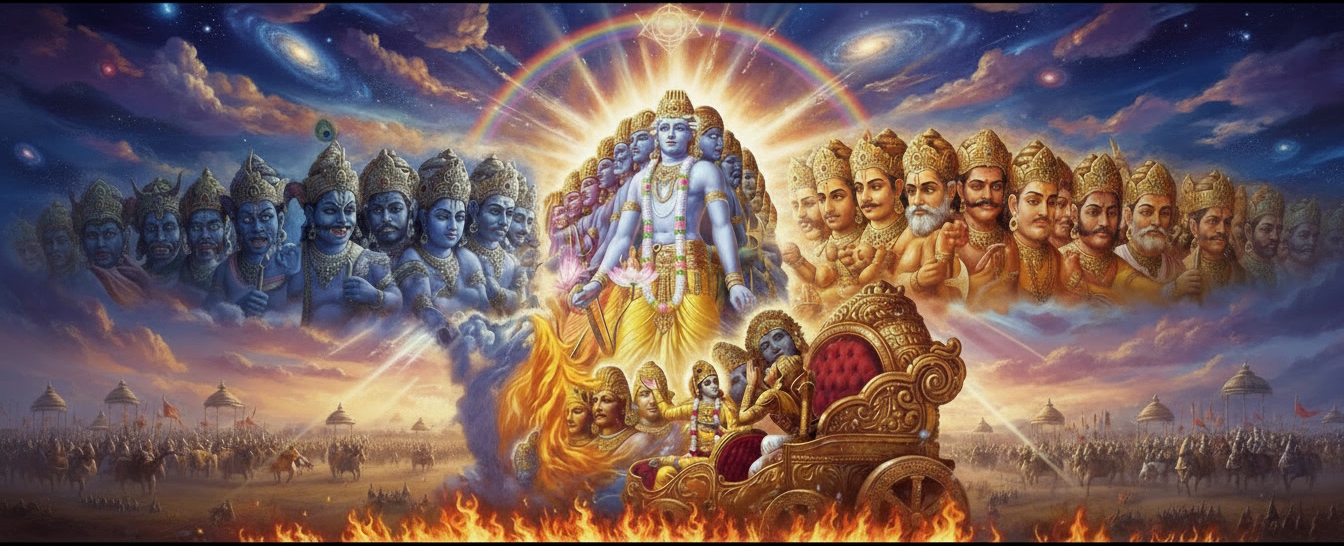
सत्त्वानुरूपा सर्वस्य श्रद्धा भवति भारत।
श्रद्धामयोऽयं पुरुषो यो यच्छ्रद्धः स एव सः।।17.3।।
sattvānurūpā sarvasya śraddhā bhavati bhārata|
śraddhāmayo'yaṃ puruṣo yo yacchraddhaḥ sa eva saḥ||17.3||
Translation
The faith of each is in accordance with his nature, O Arjuna. The man consists of his faith; as a man's faith is, so is he.
हिंदी अनुवाद
हे भारत ! सभी मनुष्योंकी श्रद्धा अन्तःकरणके अनुरूप होती है। यह मनुष्य श्रद्धामय है। इसलिये जो जैसी श्रद्धावाला है, वही उसका स्वरूप है अर्थात् वही उसकी निष्ठा -- स्थिति है।
Commentaries & Translations
Swami Ramsukhdas
व्याख्या -- सत्त्वानुरूपा सर्वस्य श्रद्धा भवति भारत -- पीछेके श्लोकमें जिसे स्वभावजा कहा गया है? उसीको यहाँ सत्त्वानुरूपा कहा है। सत्त्व नाम अन्तःकरणका है। अन्तःकरणके अनुरूप श्रद्धा होती है अर्थात् अन्तःकरण जैसा होता है? उसमें सात्त्विक? राजस या तामस जैसे संस्कार होते हैं? वैसी ही श्रद्धा होती है।दूसरे श्लोकमें जिनको देहिनाम् पदसे कहा था? उन्हींको यहाँ सर्वस्य पदसे कह रहे हैं। सर्वस्य पदका तात्पर्य है कि जो शास्त्रविधिको न जानते हों और देवता आदिका पूजन करते हों -- उनकी ही नहीं? प्रत्युत जो शास्त्रविधिको जानते हों या न जानते हों? मानते हों या न मानते हों? अनुष्ठान करते हों या न करते हों? किसी जातिके? किसी वर्णके? किसी आश्रमके? किसी सम्प्रदायके? किसी देशके? कोई व्यक्ति कैसे ही क्यों न,हों -- उन सभीकी स्वाभाविक श्रद्धा तीन प्रकारकी होती है।श्रद्धामयोऽयं पुरुषः -- यह मनुष्य श्रद्धाप्रधान है। अतः जैसी उसकी श्रद्धा होगी? वैसा ही उसका रूप होगा। उससे जो प्रवृत्ति होगी? वह श्रद्धाको लेकर? श्रद्धाके अनुसार ही होगी।यो यच्छ्रद्धः स एव सः -- जो मनुष्य जैसी श्रद्धावाला है? वैसी ही उसकी निष्ठा होगी और उसके अनुसार ही उसकी गति होगी। उसका प्रत्येक भाव और क्रिया अन्तःकरणकी श्रद्धाके अनुसार ही होगी। जबतक वह संसारसे सम्बन्ध रखेगा? तबतक अन्तःकरणके अनुरूप ही उसका स्वरूप होगा।मार्मिक बातमनुष्यकी सांसारिक प्रवृत्ति संसारके पदार्थोंको सच्चा मानने? देखने? सुनने और भोगनेसे होती है तथा पारमार्थिक प्रवृत्ति परमात्मामें श्रद्धा करनेसे होती है। जिसे हम अपने अनुभवसे नहीं जानते? पर पूर्वके स्वाभाविक संस्कारोंसे? शास्त्रोंसे? संतमहात्माओंसे सुनकर पूज्यभावसहित विश्वास कर लेते हैं? उसका नाम है -- श्रद्धा। श्रद्धाको लेकर ही आध्यात्मिक मार्गमें प्रवेश होता है? फिर चाहे वह मार्ग कर्मयोगका हो? चाहे ज्ञानयोगका हो और चाहे भक्तियोगका हो? साध्य और साधन -- दोनोंपर श्रद्धा हुए बिना आध्यात्मिक मार्गमें प्रगति नहीं होती।मनुष्यजीवनमें श्रद्धाकी बड़ी मुख्यता है। मनुष्य जैसी श्रद्धावाला है? वैसा ही उसका स्वरूप? उसकी निष्ठा है -- यो यच्छ्रद्धः स एव सः (गीता 17। 3)। वह आज वैसा न दीखे तो भी क्या पर समय पाकर वह वैसा बन ही जायगा।आजकल साधकके लिये अपनी स्वाभाविक श्रद्धाको पहचानना बड़ा मुश्किल हो गया है। कारण कि अनेक मतमतान्तर हो गये हैं। कोई ज्ञानकी प्रधानता कहता है? कोई भक्तिकी प्रधानता कहता है? कोई योगकी प्रधानता कहता है? आदिआदि। ऐसे तरहतरहके सिद्धान्त पढ़ने और सुननेसे मनुष्यपर उनका असर पड़ता है? जिससे वह किंकर्तव्यविमूढ़ हो जाता है कि मैं क्या करूँ मेरा वास्तविक ध्येय? लक्ष्य क्या है मेरेको किधर चलना चाहिये ऐसी दशामें उसे गहरी रीतिसे अपने भीतरके भावोंपर विचार करना चाहिये कि सङ्गसे बनी हुई रुचि? शास्त्रसे बनी हुई रुचि? किसीके सिखानेसे बनी हुई रुचि? गुरुके बतानेसे बनी हुई रुचि -- ऐसी जो अनेक रुचियाँ हैं? उन सबके मूलमें स्वतः उद्बुद्ध होनेवाली अपनी स्वाभाविक रुचि क्या हैमूलमें सबकी स्वाभाविक रुचि यह होती है कि मैं सम्पूर्ण दुःखोंसे छूट जाऊँ और मुझे सदाके लिये महान् सुख मिल जाय। ऐसी रुचि हरेक प्राणीके भीतर रहती है। मनुष्योंमें तो यह रुचि कुछ जाग्रत् रहती है। उनमें पिछले जन्मोंके जैसे संस्कार हैं और इस जन्ममें वे जैसे मातापितासे पैदा हुए? जैसे वायुमण्डलमें रहे? जैसी उनको शिक्षा मिली? जैसे उनके सामने दृश्य आये और वे जो ईश्वरकी बातें? परलोक तथा पुनर्जन्मकी बातें? मुक्ति और बन्धनकी बातें? सत्सङ्ग और कुसङ्गकी बातें सुनते रहते हैं? उन सबका उनपर अदृश्यरूपसे असर पड़ता है। उस असरसे उनकी एक धारणा बनती है। उनकी सात्त्विकी? राजसी या तामसी -- जैसी प्रकृति होती है? उसीके अनुसार वे उस धारणाको पकड़ते हैं और उस धारणाके अनुसार ही उनकी रुचि -- श्रद्धा बनती है। इसमें सात्त्विकी श्रद्धा परमात्माकी तरफ लगानेवाली होती है और राजसीतामसी श्रद्धा संसारकी तरफ।गीतामें जहाँकहीं सात्त्विकताका वर्णन हुआ है? वह परमात्माकी तरफ ही लगानेवाली है। अतः सात्त्विकी श्रद्धा पारमार्थिक हुई और राजसीतामसी श्रद्धा सांसारिक हुई अर्थात् सात्त्विकी श्रद्धा दैवीसम्पत्ति हुई और,राजसीतामसी श्रद्धा आसुरी सम्पत्ति हुई। दैवीसम्पत्तिको प्रकट करने और आसुरीसम्पत्तिका त्याग करनेके उद्देश्यसे सत्रहवाँ अध्याय चला है। कारण कि कल्याण चाहनेवाले मनुष्यके लिये सात्त्विकी श्रद्धा (दैवीसम्पत्ति) ग्राह्य है और राजसीतामसी श्रद्धा (आसुरीसम्पत्ति) त्याज्य है।जो मनुष्य अपना कल्याण चाहता है? उसकी श्रद्धा सात्त्विकी होती है? जो मनुष्य इस जन्ममें तथा मरनेके बाद भी सुखसम्पत्ति(स्वर्गादि) को चाहता है? उसकी श्रद्धा राजसी होती है और जो मनुष्य पशुओंकी तरह (मूढ़तापूर्वक) केवल खानेपीने? भोग भोगने तथा प्रमाद? आलस्य? निद्रा? खेलकूद? तमाशे आदिमें लगा रहता है? उसकी श्रद्धा तामसी होती है। सात्त्विकी श्रद्धाके लिये सबसे पहली बात है कि परमात्मा है। शास्त्रोंसे? संतमहात्माओंसे? गुरुजनोंसे सुनकर पूज्यभावके सहित ऐसा विश्वास हो जाय कि परमात्मा है और उसको प्राप्त करना है -- इसका नाम श्रद्धा है। ठीक श्रद्धा जहाँ होती है? वहाँ प्रेम स्वतः हो जाता है। कारण कि जिस परमात्मामें श्रद्धा होती है? उसी परमात्माका अंश यह जीवात्मा है। अतः श्रद्धा होते ही यह परमात्माकी तरफ खिंचता है। अभी यह परमात्मासे विमुख होकर जो संसारमें लगा हुआ है? वह भी संसारमें श्रद्धाविश्वास होनेसे ही है। पर यह वास्तविक श्रद्धा नहीं है? प्रत्युत श्रद्धाका दुरुपयोग है। जैसे? संसारमें यह रुपयोंपर विशेष श्रद्धा करता है कि इनसे सब कुछ मिल जाता है। यह श्रद्धा कैसे हुई कारण कि बचपनमें खाने और खेलनेके पदार्थ पैसोंसे मिलते थे। ऐसा देखतेदेखते पैसोंको ही मुख्य मान लिया और उसीमें श्रद्धा कर ली? जिससे यह बहुत ही पतनकी तरफ चला गया। यह सांसारिक श्रद्धा हुई। इससे ऊँची धार्मिक श्रद्धा होती है कि मैं अमुक वर्ण? आश्रम आदिका हूँ। परन्तु सबसे ऊँची श्रद्धा पारमर्थिक (परमात्माको लेकर) है। यही वास्तविक श्रद्धा है और इसीसे कल्याण होता है। शास्त्रोंमें? सन्तमहात्माओंमें? तत्त्वज्ञजीवन्मुक्तोंमें जो श्रद्धा होती है? वह भी पारमार्थिक श्रद्धा ही है (टिप्पणी प0 836)।जिनको शास्त्रोंका ज्ञान नहीं है और सन्तमहात्माओंका सङ्ग भी नहीं है? ऐसे मनुष्योंकी भी पूर्वसंस्कारके कारण पारमार्थिक श्रद्धा हो सकती है। इसकी पहचान क्या है पहचान यह है कि ऐसे मनुष्योंके भीतर स्वाभाविक यह भाव होता है कि ऐसी कोई महान् चीज (परमात्मा) है? जो दीखती तो नहीं? पर है अवश्य। ऐसे मनुष्योंको स्वाभाविक ही पारमार्थिक बातें बहुत प्रिय लगती हैं और वे स्वाभाविक ही यज्ञ? दान? तप? तीर्थ? व्रत? सत्सङ्ग? स्वाध्याय आदि शुभ कर्मोंमें प्रवृत्त होते हैं। यदि वे ऐसे कर्म न भी करें? तो भी सात्त्विक आहारमें स्वाभाविक रुचि होनेसे उनकी श्रद्धाकी पहचान हो जाती है।मनुष्य? पशुपक्षी? लतावृक्ष आदि जितने भी स्थावरजङ्गम प्राणी हैं? वे किसीनकिसीको (किसीनकिसी अंशमें) अपनेसे बड़ा अवश्य मानते हैं और बड़ा मानकर उसका सहारा लेते हैं। मनुष्यपर जब आफत आती है? तब वह किसीको अपनेसे बड़ा मानकर उसका सहारा लेता है। पशुपक्षी भी अपनी रक्षा चाहते हैं और भयभीत होनेपर किसीका सहारा लेते हैं। लता भी किसीका सहारा लेकर ही ऊँची चढ़ती है। इस प्रकार जिसने किसीको बड़ा मानकर उसका सहारा लिया? उसने वास्तवमें ईश्वरवाद के सिद्धान्तको स्वीकार कर ही लिया? चाहे वह ईश्वरको माने या न माने। इसलिये आयु? विद्या? गुण? बुद्धि? योग्यता? सामर्थ्य? पद? अधिकार? ऐश्वर्य आदिमेंसे एकएकसे बड़ा देखे? तो बड़प्पन देखतेदेखते अन्तमें बड़प्पनकी जहाँ समाप्ति हो? वहीँ ईश्वर है क्योंकि बड़ेसेबड़ा ईश्वर है। उससे बड़ा कोई है ही नहीं --,पूर्वेषामपि गुरुः कालेनानवच्छेदात्। (योगदर्शन 1। 26)वह परमात्मा सबके पूर्वजोंका भी गुरु है क्योंकि उसका कालसे अवच्छेद नहीं है अर्थात् वह कालकी सीमासे बाहर है। इस प्रकार प्रत्येक मनुष्य अपनी दृष्टिसे किसीनकिसीको बड़ा मानता है। ब़ड़प्पनकी यह मान्यता अपनेअपने अन्तःकरणके भावोंके अनुसार अलगअलग होती है। इस कारण उनकी श्रद्धा भी अलगअलग,होती है।श्रद्धा अन्तःकरणके अनुरूप ही होती है। धारणा? मान्यता? भावना आदि सभी अन्तःकरणमें रहते हैं। इसलिये अन्तःकरणमें सात्त्विक? राजस या तामस जिस गुणकी प्रधानता रहती है? उसी गुणके अनुसार धारणा? मान्यता आदि बनती है और उस धारणा? मान्यता आदिके अनुसार ही तीन प्रकारकी (सात्त्विकी? राजसी या तामसी) श्रद्धा बनती है।सात्त्विक? राजस और तामस -- तीनों गुण सभी प्राणियोंमें रहते हैं (गीता 18। 40)। उन प्राणियोंमें किसीमें सत्त्वगुणकी प्रधानता होती है? किसीमें रजोगुणकी प्रधानता होती है और किसीमें तमोगुणकी प्रधानता होती है। अतः यह नियम नहीं है कि सत्त्वगुणकी प्रधानतावाले मनुष्यमें रजोगुण और तमोगुण न आयें? रजोगुणकी प्रधानतावाले मनुषयमें सत्त्वगुण और तमोगुण न आयें? तथा तमोगुणकी प्रधानतावाले मनुष्यमें सत्त्वगुण और रजोगुण न आयें (गीता 14। 10)। कारण कि प्रकृति परिवर्तनशील है -- प्रकर्षेण करणं (भावे ल्युट्) इति प्रकृतिः। इसलिये प्रकृतिजन्य गुणोंमें भी परिवर्तन होता रहता है। अतः एकमात्र परमात्मप्राप्तिके उद्देश्यवाले साधकको चाहिये कि वह उन आनेजानेवाले गुणोंसे अपना सम्बन्ध मानकर उनसे विचलित न हो।जीवमात्र परमात्माका अंश है। इसलिये किसी मनुष्यमें रजोगुणतमोगुणकी प्रधानता देखकर उसे नीचा नहीं मान लेना चाहिये क्योंकि कौनसा मनुष्य किस समय समुन्नत हो जाय -- इसका कुछ पता नहीं है। कारण कि परमात्माका अंश -- स्वरूप (आत्मा) तो सबका शुद्ध ही है? केवल सङ्ग? शास्त्र? विचार? वायुमण्डल आदिको लेकर अन्तःकरणमें किसी एक गुणकी प्रधानता हो जाती है अर्थात् जैसा सङ्ग? शास्त्र आदि मिलता है? वैसा ही मनुष्यका अन्तःकरण बन जाता है और उस अन्तःकरणके अनुसार ही उसकी सात्त्विकी? राजसी या तामसी श्रद्धा बन जाती है। इसलिये मनुष्यको सदासर्वदा सात्त्विक सङ्ग? शास्त्र? विचार? वायुमण्डल आदिका ही सेवन करते रहना चाहिये। ऐसा करनेसे उसका अन्तःकरण तथा उसके अनुसार उसकी श्रद्धा भी सात्त्विकी बन जायगी? जो उसका उद्धार करनेवाली होगी। इसके विपरीत मनुष्यको राजसतामस सङ्ग? शास्त्र आदिका सेवन कभी भी नहीं करना चाहिये क्योंकि इससे उसकी श्रद्धा भी राजसीतामसी बन जायेगी? जो उसका पतन करनेवाली होगी। सम्बन्ध -- अपने इष्टके यजनपूजनद्वारा मनुष्योंकी निष्ठाकी पहचान किस प्रकार होती है? अब उसको बताते हैं।
Sri Harikrishnadas Goenka
वह श्रद्धा इस तरह तीन प्रकारकी होती है --, हे भारत सभी प्राणियोंकी श्रद्धा ( उनके ) भिन्नभिन्न संस्कारोंसे युक्त अन्तःकरणके अनुरूप होती है। यदि ऐसा है तो उससे क्या होगा इसपर कहते हैं -- यह पुरुष अर्थात् संसारी जीव श्रद्धामय है क्योंकि जो जिस श्रद्धावाला है अर्थात् जिस जीवकी जैसी श्रद्धा है? वह स्वयं भी वही है? अर्थात् उस श्रद्धाके अनुरूप ही है।
Sri Anandgiri
The threefold latent impressions (Vasanas) awakened by past actions, referred to by the word "Svabhava" (nature), are the efficient cause of the three types of faith; this has been stated. Now, He shows its material cause—"That faith is thus..."
Faith, which has the specific mind-stuff (Chitta) as its material basis, becomes threefold when that mind is threefold; this is the meaning of the first half.
Thinking how the description of the three types of faith is relevant to the question regarding one's "Nishtha" (status/steadfastness), he raises a doubt...
He answers:
Since faith is predominant by nature in a qualified person,
it is established that he consists of faith (is Shraddhamaya).
Sri Dhanpati
It has been stated that the threefold Vasanas (impressions) awakened by past actions, termed "Svabhava," are the cause of the threefold faith.
Now, indicating the threefold nature of faith as being in accordance with its material cause, He indicates that the person, who consists of that faith, is also threefold—"According to their nature (Sattva)..."
For all living beings, faith is threefold, corresponding to their "Sattva," meaning their internal organ (Antahkarana) which is endowed with Sattvic and other impressions.
"Consisting of faith": This person (Jiva) is predominantly constituted of faith. How? "Whatever faith one has": Whatever faith the Jiva possesses, "he is that"—meaning, that very Jiva is of a nature corresponding to that faith. Because faith is threefold, the Jiva, who is absorbed in it, is also threefold.
The intent of the address is similar to saying: Just as you are "Bharata" because of being born in the Bharata lineage.
Sri Madhavacharya
"Sattvanurupa" means in accordance with the mind (Chitta). "Whatever faith one has, he is that alone"—
meaning, one with Sattvic faith is Sattvic, and so on.
Sri Neelkanth
Objection: It is said, "Having become possessed of faith, one should see the Self in the Self." Thus, faith is described as an internal means in Self-realization. How then can it be described as Rajasic and Tamasic? Answer: "Sattva" etc.
Whatever kind of "Buddhi-sattva" (intellect/inner nature) one has—Sattvic, Rajasic, or Tamasic—endowed with impressions of past karma, corresponding to that arises faith (Shraddha), which is of the nature of the certainty of fruit. Similarly, this person is "Shraddhamaya" (constituted of faith). "Whatever faith one has, he is that alone": one endowed with Sattvic faith is Sattvic, with Rajasic is Rajasic, etc.
In this context, if a devotee of his father or a well, due to past merit, regards his father as a deity, then the Devas bless him like the Sattvic Pundarika, removing the fault arising from the abandonment of obligatory duties.
...
But if he thinks, "May this dead father (Preta) not torment my family," and abandoning all Dharma worships the well dear to the ghost, then the Pretas favor that Tamasic person with petty enjoyments, but the Devas cast him into hell.
Sri Ramanuja
"Sattva" means the internal organ (Antahkarana). The faith of every person is in accordance with their internal organ; whatever qualities the internal organ possesses, faith regarding those subjects arises.
The word "Sattva" here is illustrative of the previously mentioned body and senses.
This person is "Shraddhamaya," meaning a modification or product of faith. "Whatever faith one has," meaning whatever kind of faith a person is endowed with, "he is that alone"—he is the result of that very faith.
If he is endowed with faith in meritorious acts, he becomes united with the fruit of meritorious acts. Thus, it is stated that the connection to the fruit is predominantly determined by faith.
Sri Sridhara Swami
Objection: Faith is indeed Sattvic, for You, the Lord, have Yourself indicated to Uddhava that it is an effect of Sattva (citing the verse: "Control of mind, sense-control... faith... these are tendencies of Sattva").
Therefore, how is it described as threefold? Answer: True. However, because it resides in persons possessed of Rajas and Tamas, and due to the mixture of Rajas and Tamas, the internal organ (Sattva) becomes threefold; thus, faith also becomes threefold. "Sattvanurupa":
The faith of everyone, whether discriminative or indiscriminative, follows the gradation of their internal nature (Sattva). Therefore, this worldly person is "Shraddhamaya," a modification of faith; he is transformed by his threefold faith.
That is stated: "Whatever faith one has... he is that alone." He who was previously endowed with Sattvic faith due to the predominance of Sattva, again becomes endowed with Sattvic faith due to those very Sattvic impressions. (The same applies to Rajasic and Tamasic). This arrangement of Sattvic, Rajasic, and Tamasic faith applies to those acting merely by worldly custom.
However, for those endowed with discriminative knowledge born of scripture, by conquering their lower nature, there is only the single Sattvic faith; this is the purport of the section.
Sri Vedantadeshikacharya Venkatanatha
Objection: When asked 'What indeed is their status?' [17.1], Sattvic nature etc. should be stated? Why is 'Threefold' etc. being stated?
To this he says — 'Atah' (Therefore...).
Since the status of those ignorant of Vedic injunction was asked by Arjuna in this way; and ignorance can be a differentiator common to all three (types).
And there are no varieties of ignorance; therefore, dividing the 'faith' mentioned as their attribute in 'endowed with faith' into Sattvic etc., based on that (faith), He states their nature;
this is the meaning.
Swami Chinmayananda
सत्त्वानुरूप श्रद्धा हम जगत् में देखते हैं कि प्रत्येक मनुष्य के व्यक्तित्व की पोषक श्रद्धा भिन्नभिन्न प्रकार की होती है। जितनी अधिक भिन्नता इस श्रद्धा में देखी जाती है? उसके कारण को जानने की हमारी जिज्ञासा भी उतनी ही बढ़ती जाती है। भगवान् यहाँ कहते हैं कि प्रत्येक व्यक्ति की श्रद्धा उसके स्वभाव अर्थात् संस्कारों के अनुरूप होती है। निश्चितरूप से यह कह पाना कठिन है कि श्रद्धा हमारे स्वभाव को निर्धारित करती है अथवा हमारा स्वभाव श्रद्धा का निर्धारणकर्ता है। इन दोनों में अन्योन्याश्रय है।तथापि? गीता में स्वभाव को ही श्रद्धा का निर्धारक घोषित किया गया है। यद्यपि? जीवन में अनेक अवसरों पर दुखदायक अनुभवों अथवा अन्य प्रबल कारणों से मनुष्य की एक प्रकार की श्रद्धा खंडित होकर नवीन श्रद्धा जन्म लेती है और उस स्थिति में उसका स्वभाव उस श्रद्धा का अनुकरण भी करता है। परन्तु? सामान्य दृष्टि से प्रत्येक व्यक्ति की श्रद्धा का गुण और वर्ण उसके स्वभाव के अनुरूप ही होता है। श्रद्धा का मूल या सारतत्त्व मनुष्य की उस गूढ़ शक्ति में निहित होता है? जिसके द्वारा वह अपने चयन किये हुए लक्ष्य की प्राप्ति का निश्चय दृढ़ बनाये रखता है।मनुष्य की सार्मथ्य ही लक्ष्य प्राप्ति में उसके विश्वास को निश्चित करती है। तत्पश्चात् यह विश्वास उसकी सार्मथ्य को द्विगुणित कर उस मनुष्य की योजनाओं को कार्यान्वित करने में सहायक होता है। इस प्रकार क्षमता और श्रद्धा परस्पर पूरक और सहायक होते हैं मनुष्य के स्वभाव पर गुणों के प्रभाव का वर्णन पहले किया जा चुका है। पूर्वकाल में अर्जित किसी गुणविशेष के आधिक्य का प्रभाव मनुष्य में उसकी बाल्यावस्था से ही दिखाई देता है। यहाँ प्रयुक्त सत्त्वानुरूपा शब्द के द्वारा इसी तथ्य को इंगित किया गया है।मनुष्य श्रद्धामय है प्रत्येक भक्त श्रद्धापूर्वक जिस देवता की उपासना या आराधना करता है वह अपनी उस श्रद्धा के फलस्वरूप अपने उपास्य को प्राप्त होता है।इसमें कोई सन्देह नहीं कि मनुष्य अपनी श्रद्धा के अनुरूप ही होता है। मनुष्य के कर्म और उपलब्धियों में श्रद्धा के महत्व को सभी विचारकों ने स्वीकार किया है। गीता की ही भाषा में इस तथ्य को पूर्व के अध्याय में विस्तार से बताया गया है।
Sri Abhinavgupta
"Sattva" etc. In the phrase "Sattvanurupa" (according to Sattva), the word "Sattva" is a synonym for "Nature" (Svabhava).
This Person—the Self—is necessarily connected with Faith (Shraddha), which stands above all other activities or occupations. And he should be understood as being "Tanmaya" (consisting of or identical with that very faith).
Sri Jayatritha
Faith has been described as threefold based on distinctions like Sattvic, etc. Then, how is the statement "Faith of everyone is according to their Sattva" not contradictory? To this, He says "Sattva..."
Here, "Sattva" means the mind (Chitta) or consciousness, that is, the individual soul (Jiva).
A doubt arises: Only the nature of faith was described previously, not the nature of the soul dependent on it; therefore, this answer seems inconsistent. To this, reading the text by which that (the nature of the Jiva) is expressed, he explains—"Ya" (Who) etc. The implication is:
One with Sattvic faith is Sattvic, one with Rajasic faith is Rajasic, and one with Tamasic faith is Tamasic.
Sri Madhusudan Saraswati
Having described the diversity of faith based on the diversity of its 'efficient cause' (latent impressions in the mind from previous lives), He now describes its threefold nature based on the diversity of its 'material cause,' the internal organ (Antahkarana)—"According to Sattva."
The 'Sattva' (Antahkarana), being illuminative by nature, is composed of the five gross elements (which have undergone Quintuplication) dominated by Sattva of the three Gunas. In some, this internal organ has predominant Sattva, as in Devas; in others, Sattva is overpowered by Rajas, as in Yakshas; and in others, Sattva is overpowered by Tamas, as in Pretas and Bhutas. In humans, it is mostly mixed, but can be refined by increasing Sattva and suppressing Rajas and Tamas through scriptural discriminative knowledge. For the entire multitude of living beings devoid of scriptural discrimination, faith is diverse corresponding to their Antahkarana—Sattvic in a Sattva-dominant mind, Rajasic in a Rajas-dominant one, and Tamasic in a Tamas-dominant one.
"O Bharata": This address implies being born in a great lineage and devoted to knowledge, indicating pure Sattvic nature. Regarding your question "What is their status (Nishtha)?", hear the answer.
This person, devoid of scriptural knowledge but eligible for action, is an aggregate of the three-Guna internal organ and is "Shraddhamaya" (abounding in faith). Faith is present in him in abundance; the suffix 'mayat' is used in the sense of preponderance, as in "Annamaya Yajna" (A sacrifice abounding in food). Therefore, "whatever faith one has"—whether Sattvic, Rajasic, or Tamasic—"he is that alone"; he corresponds to his faith, being Sattvic, Rajasic, or Tamasic. The intention is that their status (Nishtha) is explained by their faith itself.
Sri Purushottamji
Thus, having made the listener attentive to the hearing, He states the nature of faith—"According to Sattva." O Bharata, faith—which is defined as a respectful inclination involving the origin and spread of attachment towards the manifestation of total capability, excluding the awareness of other attributes—is in accordance with one's "Mula-sattva" (root nature) and exists in everyone (of the three types). The address "Bharata" is to indicate eligibility to understand this truth.
Then how is it threefold? To this, He says—"Shraddhamaya." This person, though a portion (Amsha) of Me, is in human form and is "Shraddhamaya" (abounding in faith). "Whatever faith one has"—meaning, whichever faith distinguished by Sattva etc. one is conjoined with—"he is that alone"; he becomes of that very nature.
Sri Shankaracharya
"According to Sattva"—Faith of all living beings is in accordance with their internal organ (Antahkarana) endowed with specific latent impressions, O Bharata.
If this is so, what follows? It is said—"Shraddhamaya": This person, the transmigrating soul (Jiva) in whom faith is predominant, consists of faith. How? "Whatever faith one has"—meaning whatever faith a particular soul possesses—"he is that alone"; that soul corresponds to that faith.
Therefore, one's internal standing (Sattva, etc.) is to be inferred through the sign (Lingam) of their actions, such as the worship of deities, etc. This is what He says next.
Sri Vallabhacharya
As stated, "According to Sattva." Since it is a property of the internal organ, faith is "Sattvanurupa," meaning in accordance with the internal organ. The internal organ, which follows past impressions, determines the type of faith; as the mind is, so is the faith. For those whose minds are devoid of scriptural knowledge, their faith is also like that (natural/unrefined); for those not like that, their faith is different.
However, we stated that divine or demonic nature in beings is not determined merely by this, but by the abandonment or non-abandonment of scriptural injunctions. Faith and the tendency to act according to desire are essentially an intellect of 'belief' (Astikya).
According to the knowers of tradition, his being "Gunamaya" (constituted of the Gunas) is established by that. "Whatever faith one has, he is that alone"—because this person consists of faith.
Swami Sivananda
सत्त्वानुरूपा in accordance with his nature? सर्वस्य of each? श्रद्धा faith? भवति is? भारत O Arjuna? श्रद्धामयः consists of (his) faith? अयम् this? पुरुषः man? यः who? यच्छ्रद्धः in which his faith is? सः he? एव verily? सः that (is).Commentary The faith of every person conforms to his inherent nature or natural temperament. Man is imbued with faith. The term Svabhava is the last verse and the word Sattva in the present one are synonymous.A mans character may be judged by his faith. A mans faith shows what his character is. A man is what his faith has made him. A mans conduct in life is moulded or shaped by his faith. His faith will indicate his Nishtha (state of being? conviction). The faith of each man is according to his natural disposition or the specific tendencies or Samskaras or the selfreprodutive latent impressions of the good and bad actions which were performed in the past births. The faith of each man takes its colour and ality from the stuff of his being? his temperament? tendencies or Samskaras.Sattva Nature Natural disposition the mind with its specific tendencies.Each Every living being.Purusha Man The individual soul which is caught up in the wheel of transmigration the soul alified by mind.Sraddhamayah Full of faith Just as the Annamaya Kosa is full of food? just as the Anandamaya Kosa is full of bliss? so also the Antahkarana (mind? intellect? etc.) is full of faith.The man consists of his faith that which his faith is? he is verily that. This theory is only a repetition of the theory propounded in chapter VII? verses 20 and 23? and in chapter IX? verse 25.
Swami Gambirananda
O scion of the Bharata dynasty, the sraddha, faith; sarvasya, of all beings; bhavati, is; sattva-anurupa, in accordance with their minds, in accordance with the internal organ which is imbued with particular impression. If this is so, what follows? The answer is: Ayam, this; purusah, person, the transmigrating soul; is sraddhamayah, made up of faith as the dominating factor. How? Sah, he, the individual soul; is eva, verily; sah, that; yah yat-sraddhah,which is the faith of that individual-he surely conforms to his faith.
And, as a conseence, a person's steadfastness in sattva etc. is to be inferred from the grounds of his actions such as worship of gods etc. Hence the Lord says:
Swami Adidevananda
'Sattva' means internal organ (i.e., mind). The faith of everyone is according to his internal organ. The meaning is that with whatever Guna his internal organ is conjoined, one's faith corresponds to that Guna (i.e., Guna as object). The term Sattva covers here body, senses etc., already mentioned. Man consists of faith, viz., is the product of his faith. Of whatever faith he is, viz., with whatever faith a man is possessed, that verily he is; he is a transformation of faith of that nature. The purport is this: If the person is associated with faith in auspicious acts he becomes associated with fruit of these auspicious acts. Conseently, attainment chiefly follows one's faith.
Sri Krsna further explains the same subject: