Bhagavad Gita - Chapter 3 - Shloka (Verse) 31
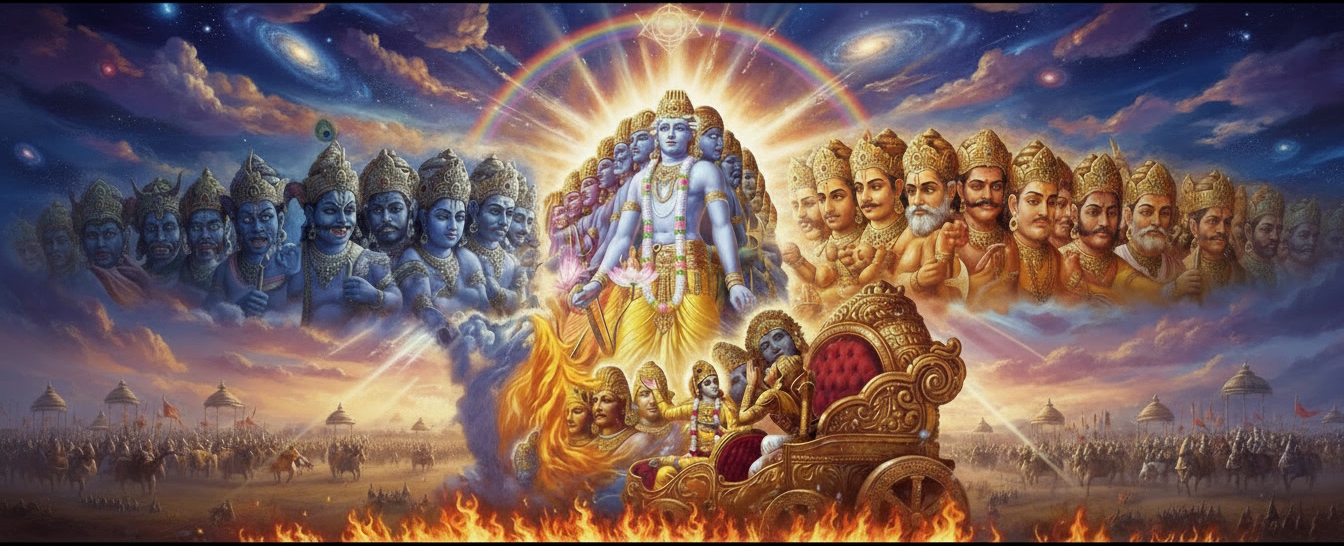
ये मे मतमिदं नित्यमनुतिष्ठन्ति मानवाः।
श्रद्धावन्तोऽनसूयन्तो मुच्यन्ते तेऽपि कर्मभिः।।3.31।।
ye me matamidaṃ nityamanutiṣṭhanti mānavāḥ|
śraddhāvanto'nasūyanto mucyante te'pi karmabhiḥ||3.31||
Translation
Those men who constantly practise this teaching of Mine with faith and without cavilling, they too are freed from actions.
हिंदी अनुवाद
जो मनुष्य दोष-दृष्टिसे रहित होकर श्रद्धापूर्वक मेरे इस (पूर्वश्लोकमें वर्णित) मतका सदा अनुसरण करते हैं, वे भी कर्मोंके बन्धनसे मुक्त हो जाते हैं।
Commentaries & Translations
Swami Ramsukhdas
व्याख्या--'ये मे मतमिदं ৷৷. श्रद्धावन्तोऽनसूयन्तो'-- किसी भी वर्ण, आश्रम, धर्म, सम्प्रदाय आदिका कोई भी मनुष्य यदि कर्म-बन्धनसे मुक्त होना चाहता है, तो उसे इस सिद्धान्तको मानकर इसका अनुसरण करना चाहिये। शरीर, इन्द्रियाँ, मन, बुद्धि, पदार्थ, कर्म आदि कुछ भी अपना नहीं है-- इस वास्तविकताको जान लेनेवाले सभी मनुष्य कर्म-बन्धनसे छूट जाते हैं। भगवान् और उनके मतमें प्रत्यक्षकी तरह निःसन्देह दृढ़ विश्वास और पूज्यभावसे युक्त मनुष्यको 'श्रद्धावन्तः' पदसे कहा गया है।शरीरादि जड पदार्थोंको अपने और अपने लिये न माननेसे मनुष्य मुक्त हो जाता है--इस वास्तविकतापर श्रद्धा होनेसे जडताके माने हुए सम्बन्धका त्याग करना सुगम हो जाता है।श्रद्धावान् साधक ही सत्- शास्त्र, सत्-चर्चा और सत्सङ्गकी बातें सुनता है और उनको आचरणोंमें लाता है।मनुष्यशरीर परमात्मप्राप्तिके लिये ही मिला है। अतः परमात्माको ही प्राप्त करनेकी एकमात्र उत्कट अभिलाषा होनेपर साधकमें श्रद्धा, तत्परता, संयतेन्द्रियता आदि स्वतः आ जाते हैं। अतः साधकको मुख्यरूपसेपरमात्मप्राप्तिकी अभिलाषा ही तीव्र बनाना चाहिये।पीछेके (तीसवें) श्लोकमें भगवान्ने अपना जो मत बताया है, उसमें दोष-दृष्टि न करनेके लिये यहाँ 'अन-सूयन्तः' पद दिया गया है। गुणोंमें दोष देखनेको 'असूया' कहते हैं। असूया-(दोषदृष्टि-) से रहित मनुष्योंको यहाँ अनसूयन्तः कहा गया है।
जहाँ श्रद्धा रहती है, वहाँ भी किसी अंशमें दोषदृष्टि रह सकती है। इसलिये भगवान्ने 'श्रद्धावन्तः' पदके साथ 'अनसूयन्तः' पद भी देकर मनुष्यको दोषदृष्टिसे सर्वथा रहित (पूर्ण श्रद्धावान्) होनेके लिये कहा है। इसी प्रकार गीता-श्रवणका माहात्म्य बताते हुए भी भगवान्ने श्रद्धावाननसूयश्च (गीता 18। 71) पद देकर श्रोताके लिये श्रद्धायुक्त और दोषदृष्टिसे रहित होनेकी बात कही है। 'भगवान्का मत तो उत्तम है, पर भगवान् कितनी आत्मश्लाघा, अभिमानकी बात कहते हैं कि सब कुछ मेरे ही अर्पण कर दो' अथवा 'यह मत तो अच्छा है, पर कर्मोंके द्वारा भगवत्प्राप्ति कैसे हो सकती है? कर्म तो जड और बाँधनेवाले होते हैं' आदि-आदि भाव आना ही भगवान्के मतमें दोष-दृष्टि करना है। साधकको भगवान् और उनके मत दोनोंमें ही दोष-दृष्टि नहीं करनी चाहिये।
Sri Harikrishnadas Goenka
कर्म करने चाहिये ऐसा जो यह मत प्रमाणसहित कहा गया वह यथार्थ है ( ऐसा मानकर ) जो श्रद्धायुक्त मनुष्य गुरुस्वरूप मुझ वासुदेवमें असूया न करते हुए ( मेरे गुणोंमें दोष न देखते हुए ) मेरे इस मतके अनुसार चलते हैं वे ऐसे मनुष्य भी पुण्यपापरूप कर्मोंसे मुक्त हो जाते हैं।
Sri Anandgiri
Following the Lord's view under discussion exactly as described, for those who practice it, He describes the fruit of gradual liberation (Krama-mukti) with "Yadetat" (This opinion of Mine...).
"Shraddha" (faith) means having trust in the unseen matters taught by the scriptures and the teacher. "Asuya" (Envy/Carping) means discovering faults in virtues. The word "Api" (also) is intended to indicate the secondary nature (or gradualness) of the liberation described.
Sri Dhanpati
Whosoever other humans also, regarding My—the Supreme Lord's—view, which is of the nature that "action which purifies the mind should be performed without attachment to results," and which has been stated with authority by the Omniscient and most trustworthy Lord—the firm conviction that "this is indeed the truth" is Shraddha (faith); endowed with that.
And for that very reason "Anasuyantah" (without carping)—meaning, not attributing faults to Me, the Supreme Guru Vasudeva, who is the means of happiness, thinking "He is impelling us into painful action"—those who practice, i.e., follow [this teaching];
they too, becoming such, through the purification of the mind (Sattva) and the attainment of knowledge, are liberated from actions known as Dharma (merit) and Adharma (demerit).
Sri Madhavacharya
He states the result with "Ye me" etc. Those who are thus performers of Nivritta-karma (detached action), they also are liberated through knowledge; then what to speak of those possessing direct knowledge (Aparoksha-jnanis)? No other (independent) means is being stated here.
"Actions such as Nivritta (detached acts) are indeed for the direct vision of the Lord. However, the direct vision of the Lord seeks nothing else for liberation. All that (action) becomes a means to liberation only by placing that (knowledge) in between. Direct vision leads to Nirvana without placing anything in between"—thus it is stated in the Narayana-Ashtakshara-Kalpa.
For this very reason, the rule of combination (Samuccaya - i.e., combining action and knowledge as equal simultaneous means) is refuted.
Sri Neelkanth
"Ye me" (Those who... My) etc. Those other humans also who are like you, who practice—meaning follow—My view, which is performance of action without attachment; who are possessed of faith; and are "Anasuyantah"—meaning not seeing defects herein;
they too are liberated from their own actions known as Dharma (merit) and Adharma (demerit).
Sri Ramanuja
Those humans—who are qualified for the scripture devoted to the Self—who, having ascertained My view that "This indeed is the purport of the scripture," practice accordingly; and those who, even while not practicing, have faith in this purport of the scripture; and those who, even while lacking faith, do not cavil (show envy) thinking "Such a scriptural purport is not possible"—meaning they do not become fault-finders regarding this scriptural purport which possesses great merit—all of them are liberated from actions which are the causes of bondage and have been accumulated from beginningless time. The phrase "They also (are liberated) from actions" uses the word "also" (api) to distinguish these groups.
The meaning is: even those not practicing now, if they have faith in this scriptural purport and are free from envy, having their sins destroyed by faith and non-envy, will ere long practice this very scriptural purport and be liberated.
He [now] states the defect of those who do not practice, do not have faith in, and carp at the Upanishadic meaning intended by the Lord.
Sri Sridhara Swami
Thus, He states the merit in the performance of action with "Ye me matam" etc.
Those having faith in My words; being "Anasuyantah"—meaning not entertaining a fault-finding view such as "He engages me in painful action";
who follow this view of Mine; they too—performing action gradually—are liberated from actions, just like the possessors of perfect knowledge.
Sri Vedantadeshikacharya Venkatanatha
Regarding the verse "Ye me matam" (Those who... My view): By the phrase "My view," the display of pride in His doctrine by the Person of the Upanishads (the Supreme Lord) is shown; and since the mere instruction on it being the means to liberation accomplishes the goal, this verse is intended to extol that (Karma Yoga)—with this intention, he (Ramanuja) says "Ayameva sakshat" (This very thing directly...). The meaning is: independent of Jnana Yoga.
"Sarabhutah" means primary or essential. The Amarakosha states that 'Sara' is used for strength, a stable portion, and what is just/right. Here, primacy implies superiority as a means to liberation. The word "Manava" (humans) is used here to include those not qualified (like Shudras in the Vedic context) and to exclude those already qualified (like Devas); to avoid both errors, and with the intention that "by restating what is established by proof, this word is merely indicative of the qualified aspirants," he says: "Those humans who are qualified for the scripture devoted to the Self."
"Constantly practice" (nityam anutishthanti)—this is said because constant practice proceeds only from firm decision; the practice of one devoid of the certainty of authority might break at some point—with this intention, it is said "This alone is the meaning of the scripture," etc. It means "This is what is stated," or the syntax is "Having decided that 'This view of Mine is the meaning of scripture'". The idea is that the view of the Ruler is indeed the meaning of the scripture.
The term "Shraddhavantah" (faithful) refers to the stage prior to actual practice—he explains this with "And those who, even while not practicing...". Even prior to that is the stage of "Anasuya" (non-envy)—he explains this with "And those who are without faith...". Envy is the discovery of faults in virtues; with the intention of this definition of envy, he says "Apann" (not seeing defects).
The word "Api" (also) is intended to aggregate the three groups; hence it is said "All of them." [Objection:] When a single sentence construction is possible, splitting sentences is not desirable; supplying the verb "bhavanti" (they become) in "Shraddhavantah" etc., is improper; and the repetition of the relative pronoun "Yat" (who) used once is unjustifiable. To this, he says "Te 'pi" (They also...). "Of these" refers to the qualified persons present in the mind or the sentences.
The intention is this: A single sentence structure is not possible here due to the lack of connection with the word "Api" (also). For "Api" here would either imply the aggregation of other qualified persons along with the practitioners, or imply a degradation of the practitioners. There, the aggregation of Jnana Yogis, though possible, is not expected here and is inappropriate in the context of praising Karma Yoga. And suggesting a degradation of Karma Yogis compared to Jnana Yogis is entirely contradictory here. Furthermore, applying the adjectives "faithful" and "non-envious" to those who constantly practice would be meaningless. For indeed, those constantly practicing cannot be unfaithful and envious. However, if it relates to three stages, the word "Api" can be interpreted as implying aggregation or the inferiority of the prior stages.
[Objection:] If those possessing merely faith and non-envy attain the same fruit as the practitioners, the scripture prescribing practice would be rendered useless. Anticipating this, he says "Idanim" (Now...). That faith and non-envy are causes for the removal of sin is established by texts like: "Dharma heard, seen, remembered, spoken of, or even approved, O King, always purifies a person" (Mahabharata 14.94.29).
Swami Chinmayananda
कर्मयोग के सिद्धान्त का मात्र ज्ञान होने से नहीं किन्तु उसके अनुसार आचरण करने पर ही वह हमारा कल्याण कर सकेगा। यह श्रीकृष्ण का मत है। अध्यात्म ज्ञान तो एक ही है परन्तु आचार्यों सम्प्रदाय संस्थापकों एवं भिन्नभिन्न धर्म प्रथाओं के मतों में अनेक भेद हैं जिसका कारण यह है कि वे सभी तत्कालीन परिस्थितियों को ध्यान में रखकर अपनी पीढ़ी का मार्ग दर्शन करना चाहते थे जिससे सभी साधक परम पुरुषार्थ को प्राप्त कर सकें।बैलगाड़ी हांकने वाले चालक के चाबुक के नीचे काम करने वाले पशु के समान ही मनुष्य को बोझ उठाते हुये जीवन नहीं जीना चाहिये। परिश्रम केवल शरीर को सुदृढ़ बनाता है कर्म हमारे चरित्र की वक्रता को दूर कर आन्तरिक व्यक्तित्व को आभा प्रदान करते हैं। यदि हम अपने परिश्रमपूर्वक किये गये कर्मों में अपने मन और मस्तिष्क का भी पूर्ण उपयोग करें। असूया (गुणों में दोष दर्शन) का त्याग करके एवं श्रद्धापूर्वक कर्मयोग का पालन करने से ही यह संभव हो सकेगा।श्रद्धा संस्कृत में श्रद्धा का भाव गम्भीर है जिसे अंग्रेजी भाषा के किसी एक शब्द द्वारा व्यक्त नहीं किया जा सकता।श्रीशंकराचार्य श्रद्धा को पारिभाषित करते हुए कहते हैं कि शास्त्र और गुरु के वाक्यों में वह विश्वास जिसके द्वारा सत्य का ज्ञान होता है श्रद्धा कहलाता है।यहाँ किसी प्रकार के अन्धविश्वास को श्रद्धा नहीं कहा गया है वरन् उसे बुद्धि की वह सार्मथ्य बताया गया है जिससे सत्य का ज्ञान होता है। बिना विश्वास के किसी कार्य में प्रवृत्ति नहीं होती तथा विचारों की परिपक्वता के बिना विश्वास में दृढ़ता नहीं आती है।अनसूयन्त (गुणों में दोष को नहीं देखने वाले) सामान्यत जगत् में हम जो कुछ ज्ञान प्राप्त करते हैं उसे समझने के लिये उसकी आलोचना भी की जाती है उसके विरुद्ध तर्क दिये जाते हैं। परन्तु यहाँ भगवान् अर्जुन को सावधान करते हैं कि केवल उग्र वादविवाद अथवा गहन अध्ययन मात्र में ही इस ज्ञान का उपयोग नहीं है। वास्तविक जीवन में उतारने से ही इस ज्ञान की सत्यता का अनुभव किया जा सकता है।वे भी कर्म से मुक्त होते हैं ऐसे वाक्यों को पढ़कर अनेक विद्यार्थी स्तब्ध रह जाते हैं। अब तक भगवान् कुशलतापूर्वक कर्म करने का उपदेश दे रहे थे और अब अचानक कहते हैं कि वे भी कर्म से मुक्त हो जाते हैं। स्वाभाविक है कि जो पुरुष शास्त्रीय शब्दों के अर्थों को नहीं जानता उसे इन वाक्यों में विरोधाभास दिखाई देता है।नैर्ष्कम्य शब्द के अर्थ को स्पष्ट करते समय हमने देखा कि आत्मअज्ञान ही इच्छा विचार और कर्म के रूप में व्यक्त होता है। अत आनन्दस्वरूप आत्मा को पहचानने पर अविद्याजनित इच्छायें और कर्मों का अभाव हो जाता है। इसलिये यहाँ बताई हुई कर्मों से मुक्ति का वास्तविक तात्पर्य है अज्ञान के परे स्थित आत्मस्वरूप की प्राप्ति।केवल कर्मों के द्वारा परमात्मस्वरूप में स्थिति नहीं प्राप्त की जा सकती। संसदमार्ग स्वयं संसद नहीं है किन्तु वहाँ तक पहुँचने पर संसद भवन दूर नहीं रह जाता। इसी प्रकार यहाँ कर्मयोग को ही परमार्थ प्राप्ति का मार्ग कहकर उसकी प्रशंसा की गई है क्योंकि उसके पालन से अन्तकरण शुद्ध होकर साधक नित्यमुक्त स्वरूप का ध्यान करने योग्य बन जाता है।परन्तु इसके विपरीत
Sri Abhinavgupta
"Ye me" etc. "Those who... this..." etc. Whosoever, relying on this view, performs whatever action (yat kinchit), that action does not bind him.
However, those who are not faithful in this knowledge are ruined/lost, because they are incessantly pervaded by the fear of birth, death, and so on.
Sri Jayatritha
To refute a contrary understanding, he first states the subject matter to be propounded in the next two verses—'Phalam' (Result). Suspecting 'Just because some wise men perform action, is it to be done by me or not?', He states the result of performing or not performing what was spoken by Him; this is the meaning.
In 'Muchyante te'pi karmabhih' (They too are released by actions), by the word 'Api' (also/even), the idea that 'Just as Knowledge is a means to Moksha, so too Nivrutta (desireless) Action is stated to be a means to Moksha'—to refute such a contrary understanding, he explains—'Ye tu' (Those who). The word 'Api' is for the purpose of indicating 'Kaimutya' (an a fortiori argument: 'how much more then'), not in the sense of 'Samuccaya' (combination/conjunction); this is the meaning. And this is contextual.
If the word 'Api' were for combination, it would be of two kinds: 'Just as Knowledge, Action is also a separate means' or 'Knowledge-Action combination alone is the means'. Regarding those, he refutes the first view—'Na tu' (But not).
'Nishkamatvadina anushthitani' (Performed with desirelessness etc.)—Sacrifices etc. are 'Nivrutta' actions. By the word 'Adi' (etc.), obligatory (Nitya) and occasional (Naimittika) duties are included. 'Aparoksha cha sa ishadrishtishcha' (And that direct vision of the Lord)—here the Dative case is used in the sense of 'for the purpose of that' (Tadarthye). 'Muktau'—meaning, in the means of liberation, Action which is somewhat auxiliary is also called a means of liberation; therefore it is said—'Sarvam' (All). All that, Nivrutta actions etc.
'Antara'—meaning, in the middle. 'Jnanamadhaya'—meaning, having placed/generated Knowledge. 'Muktaye'—meaning, (is for) Liberation. Just like the usage 'Ahalyayai jarah' (A lover for Ahalya). Although Action is heard (in scripture) as a direct means, yet it is not like some Knowledge which has become separated (by an interval)—this is stated as 'Na kinchit' (Nothing).
He refutes the second type (Combination of Knowledge and Action) as well by 'Atidesha' (extended application/analogy)—'Ata eva' (Therefore alone) thus. Because it has been stated that direct vision of the Lord (Aparoksha Isha-drishti) does not demand anything else in (granting) Liberation; this is the meaning.
Sri Madhusudan Saraswati
Performance of prescribed duties with the attitude of offering to God, devoid of desire for fruit, results in Liberation through the purification of the mind (Sattva-shuddhi) and the attainment of Knowledge; He says this.
'This—My opinion, which is of the nature of performing prescribed duties without desire for fruit—is Nityam—eternal, meaning historically handed down without beginning because it is taught by the eternal Veda, necessary, or (valid) at all times'; 'Manavah'—men, whosoever they may be, because humans alone have the qualification for actions; 'Shraddhavantah'—Faith (Shraddha) is the belief 'This is exactly so' regarding the meaning taught by the scripture and the teacher even when it is not yet experienced; possessed of that (faith).
'Anasuyantah'—Asuya (envy/cavilling) is the invention of faults in virtues; and here it takes the form 'This One (God) is merciless as He engages me in action which is of the nature of suffering'. Those who perform (duties) while not harboring even that Asuya, which is liable to arise in the context, towards the Guru, Vasudeva, the friend of all; 'Te'pi'—they too, through purification of the mind and attainment of knowledge, like the fully wise ones, 'Muchyante'—are released; 'Karmabhih'—from (actions) known as Dharma and Adharma.
Sri Purushottamji
If this had been spoken by the Lord for Arjuna alone, then Arjuna's attachment would have been fixed only there; then, the subsequent instruction of "abandonment of all dharmas" (Sarva-tyaga) in the form of Pushti (grace) would be inappropriate. Since Arjuna had no qualification elsewhere, he would not have engaged even in the duties spoken by the Lord (if they were not for him); he kept asking questions precisely for instruction suitable to himself.
[Objection:] If it was not said for him, then for what purpose? [Answer:] It was spoken through Arjuna for the sake of engaging [people] in all righteous paths. He states exactly that—whoever else acts in this way, even for him, there will be no bondage born of action—He says "Ye me matam" (Those who... My view).
Those humans—born in good dharma—who, being faithful and non-envious ("anasuyantah") regarding this aforementioned view of Mine—being devoid of intolerance because it is spoken by Me—practice it; they too are liberated from actions, that is, from the enjoyment of fruits generated by them. The meaning is: because it is done by My command and due to faith in My statement, even other actions (general actions) become means to liberation indeed.
Sri Shankaracharya
"Ye me" etc. Those "Manavah," meaning humans, who are "Shraddhavantah," meaning possessed of faith, and "Anasuyantah," meaning not finding fault (envy) in Me, the Supreme Teacher Vasudeva, and who "Nityam anutishthanti" (constantly practice), meaning follow, "Madiyam idam matam" (this view of Mine);
"Te 'pi" (they too)—being such [endowed with these qualities]—are liberated from actions known as Dharma (merit) and Adharma (demerit).
Sri Vallabhacharya
Thus He states the merit in the performance of action with "Ye me matam" etc.
The meaning is that they too, having indeed performed actions, attain liberation from action.
Swami Sivananda
ये those who? मे My? मतम् teaching? इदम् this? नित्यम् constantly? अनुतिष्ठन्ति practise? मानवाः men? श्रद्धावन्तः full of faith? अनसूयन्तः not cavilling? मुच्यन्ते are freed? ते they? अपि also? कर्मभिः from actions.Commentary Sraddha is a mental attitude. It means faith. It is faith in ones own Self? in the scriptures and in the teachings of the spiritual preceptor. It is compund of the higher emotion of faith? reverence and humility.
Swami Gambirananda
Ye, those; manavah, men; who (nityam, ever;) anutisthanti, follow accordingly; me matam, My teaching- this teaching of Mine, viz that 'duty must be performed', which has been stated with valid reasoning; sraddhavantah, with faith; and anasuyantah, without cavil, without detracing Me, Vasudeva, the Teacher [Here Ast. adds 'parama, supreme'-Tr.]; te api, they also, who are such; mucyante, become freed; karmabhih, from actions called the righteous and the unrighteous.
Swami Adidevananda
There are those persons who are alified to understand the Sastras and decide for themselves what is My doctrine, and follow them accordingly; there are others who are full of faith in the meaning of the Sastras without however practising it. And there are still others who, even though devoid of faith, do not cavil at it, saying that the true meaning of the Sastras cannot be this, i.e., they do not find any blemish pertaining to the Sastras which possess great alities. All these persons are freed from Karmas which are there from beginningless time and which cause bondage. By the term, api (even) in 'te pi karmabhih' ('even they from Karmas'), these men are divided into three groups. The meaning is that those who, even if they do not act upon the meaning but still believe in this meaning of the Sastras and do not cavil at it, will be cleansed of their evil by their faith and freedom from fault-finding. For, if they have faith they will, before long, take to the practice of this very meaning of the Sastras and be freed.
Sri Krsna now speaks of the evil that will befall those who do not practice this instruction of the Upanisads, i.e., those who are faithless and who cavil at it.