Srimad Valmiki Ramayana
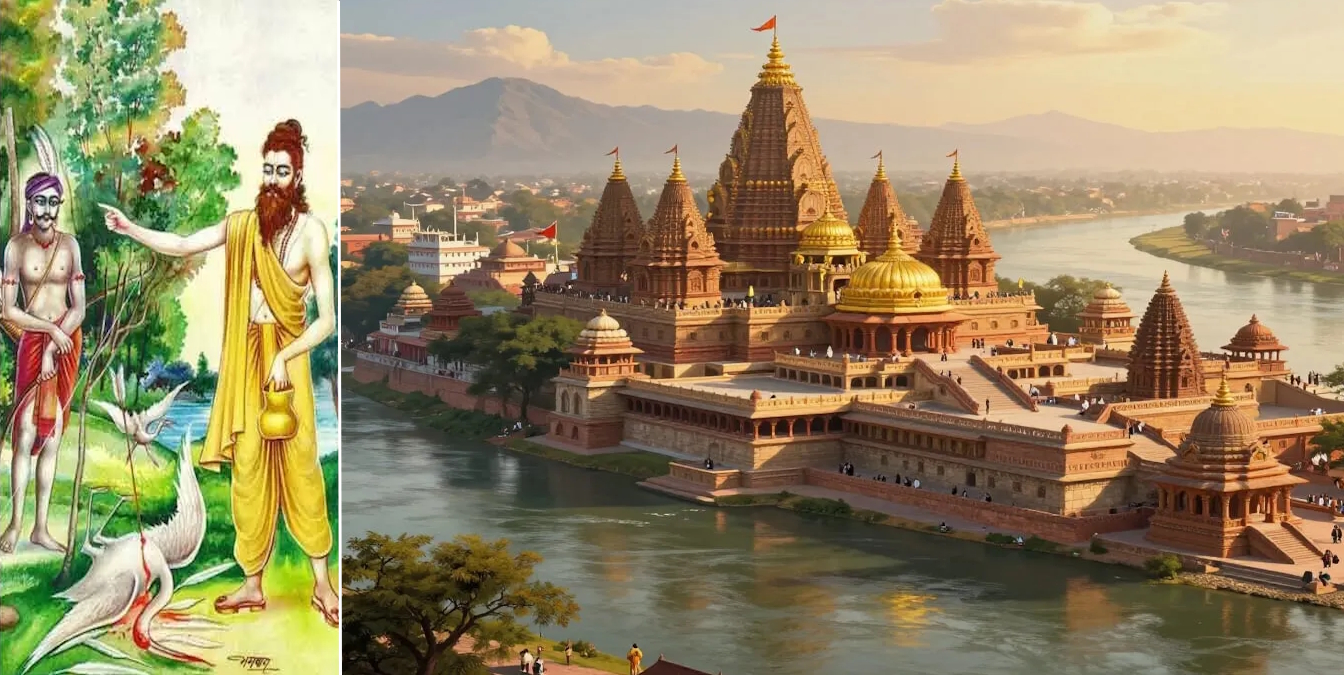
साधु साध्विति ता ऊचुः परम् विस्मयम् आगताः ।
ते प्रीत मनसः सर्वे मुनयो धर्म वत्सलाः ॥१-४-१६॥
Sādhu sādhviti ta ūcuḥ param vismayam āgatāḥ |
Te prīta-manasaḥ sarve munayo dharma-vatsalāḥ ॥1-4-16॥
Translation
"Filled with supreme astonishment, those sages exclaimed, 'Excellent! Excellent!' All those Munis, who were lovers of righteousness, were delighted in their hearts."
हिंदी अनुवाद
"परम विस्मय से भरकर उन मुनियों ने कहा, 'साधु साधु!' सभी मुनि, जो Dharma के प्रेमी थे, हृदय से प्रसन्न थे।"
English Commentary
Following the tears described in the previous verse, this verse describes the vocal appreciation of the audience. 1. Sādhu Sādhu (The Ancient Applause) This is the classic Vedic expression of approval. Sādhu literally means "good," "right," or "virtuous." Repetition (Sādhu Sādhu) indicates intensity. Unlike modern applause (clapping), the ancient way to honor a speaker was this verbal affirmation. The sages are acknowledging that the performance is not just aesthetically pleasing, but spiritually correct. 2. Param Vismayam (Supreme Wonder) The dominant emotion here changes from Pathos (Karuna, implied by the tears in verse 15) to Wonder (Adbhuta). The sages are astonished by the contradiction: the singers are mere children, yet the wisdom, vocabulary, and musical mastery they display belong to seasoned masters. They are also struck by the newness of the composition (Valmiki's Ramayana) which captures history so perfectly. 3. Dharma-vatsalāḥ (Lovers of Dharma) Valmiki adds a specific adjective to the sages: Dharma-vatsalāḥ. Vatsala denotes the affection a parent has for a child (from Vatsa, calf). This explains why they were so happy. They didn't cheer just because the music was good. They cheered because they cherish Dharma above all else. Since the Ramayana is the ultimate story of Dharma (Ramo Vigravan Dharma), hearing it recited so perfectly brought them immense spiritual satisfaction. 4. Total Engagement The progression from Verse 15 to 16 shows the total engagement of the audience: Physical/Emotional: Tears in eyes (Verse 15). Intellectual/Vocal: Exclamations of wonder and praise (Verse 16). Would you like to proceed to Shloka 17, where the sages praise the specific qualities of the recitation?
हिंदी टीका
पिछले श्लोक में वर्णित आंसुओं के बाद, यह श्लोक दर्शकों की वाचिक प्रशंसा का वर्णन करता है। 1. साधु साधु (प्राचीन प्रशंसा) यह वेदिक स्वीकृति का क्लासिक अभिव्यक्ति है। साधु का शाब्दिक अर्थ "अच्छा," "सही," या "नैतिक" है। पुनरावृत्ति (साधु साधु) तीव्रता को इंगित करती है। आधुनिक तालियों (ताली बजाना) के विपरीत, किसी वक्ता को सम्मानित करने का प्राचीन तरीका यह मौखिक पुष्टि थी। साधु जन यह मान्यता दे रहे हैं कि यह प्रदर्शन केवल सौंदर्य की दृष्टि से प्रसन्नता लाने वाला नहीं है, बल्कि आध्यात्मिक रूप से भी सही है। 2. परम विस्मय (सर्वोच्च आश्चर्य) यहाँ प्रमुख भावना करुणा से विस्मय में परिवर्तित होती है। साधु लोग इस विरोधाभास से आश्चर्यचकित हैं: गायक केवल बच्चे हैं, फिर भी उनके ज्ञान, शब्दावली और संगीत कौशल अनुभवी विद्वानों की तरह हैं। उन्हें इस नए रचना (वाल्मीकि का रामायण) से भी प्रभावित किया गया है जो इतिहास को इतनी सटीकता से कैद करती है। 3. धर्मवत्सलाः (धर्म के प्रेमी) वाल्मीकि साधुओं के लिए एक विशिष्ट विशेषण जोड़ते हैं: धर्मवत्सलाः। वत्सला उस स्नेह को दर्शाता है जो एक माता-पिता अपने बच्चे के प्रति रखते हैं (वत्स, बछड़ा से)। यह समझाता है कि वे इतना खुश क्यों थे। वे सिर्फ इसलिए जयकार कर रहे थे क्योंकि संगीत अच्छा था। वे इसलिए जयकार कर रहे थे क्योंकि वे सबसे अधिक धर्म को मानते हैं। चूंकि रामायण सबसे बड़ा धर्म की कहानी है, इसे इतनी सही ढंग से सुनना उन्हें अत्यधिक आध्यात्मिक संतोष प्रदान करता है। 4. कुल संलग्नता श्लोक 15 से 16 तक की प्रगति दर्शकों की कुल संलग्नता को दिखाती है: शारीरिक/भावनात्मक: आँखों में आंसू (श्लोक 15)। बौद्धिक/मौखिक: विस्मय और प्रशंसा की घोषणाएँ (श्लोक 16)।