Srimad Valmiki Ramayana
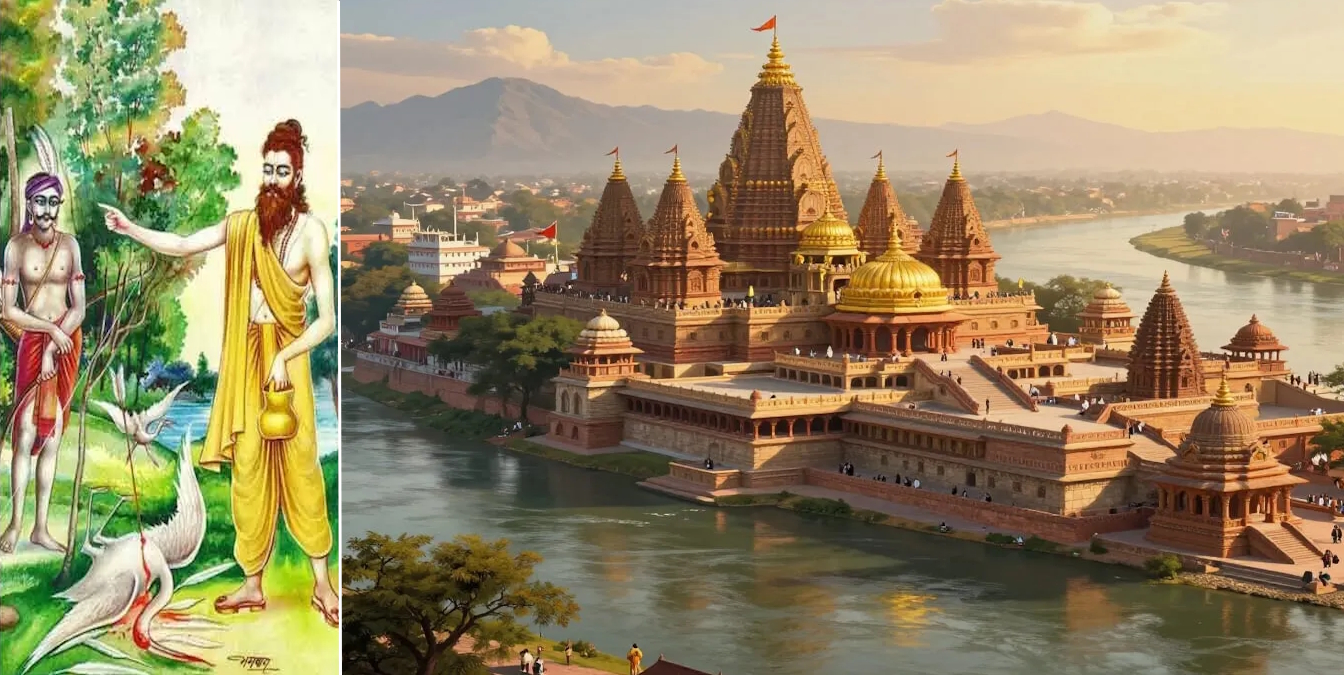
शांतया प्रययौ सार्धम् ऋष्यशृङ्गः सुपूजितः ।
अनुगम्यमानो राज्ञा च सानुयात्रेण धीमता ॥ ॥१-१८-६॥
śāṃtayā prayayau sārdham ṛṣyaśṛṅgaḥ supūjitaḥ । anugamyamāno rājñā ca sānuyātreṇa dhīmatā ॥ ॥1-18-6॥
Translation
After being duly worshipped and honored, Sage Rishyashringa departed with his wife Shanta. The wise King Dasharatha, accompanied by his retinue, followed them for some distance to bid them farewell.
हिंदी अनुवाद
पुत्रेष्टि यज्ञ संपन्न होने के पश्चात, भली-भाँति पूजित महर्षि ऋष्यशृंग अपनी पत्नी शांता के साथ अपने आश्रम की ओर प्रस्थान कर गए। बुद्धिमान राजा दशरथ ने अपने मंत्रियों और सेवकों के साथ कुछ दूर तक जाकर उन्हें विदा किया।
English Commentary
This verse highlights the ancient etiquette of showing profound respect to sages and spiritual guides. Despite his status as an Emperor, Dasharatha personally accompanies the sage to see him off, demonstrating humility and gratitude. The term dhimata (wise) suggests that true wisdom lies in recognizing the value of spiritual blessings. The successful conclusion of the Putrakameshti Yajna required not just the ritual itself, but the proper honoring and satisfying of the presiding priest. It marks the transition from the ritualistic phase to the period of expectant waiting.
हिंदी टीका
यह श्लोक भारतीय संस्कृति में 'अतिथि देवो भव' और गुरु-सम्मान की परंपरा को दर्शाता है। यद्यपि दशरथ एक चक्रवर्ती सम्राट थे, फिर भी उन्होंने ऋष्यशृंग ऋषि के प्रति विनम्रता और कृतज्ञता प्रदर्शित की। 'धीमता' (बुद्धिमान) शब्द का प्रयोग राजा के लिए किया गया है, जो यह सूचित करता है कि एक समझदार शासक हमेशा दैवीय और आध्यात्मिक शक्तियों का सम्मान करता है क्योंकि राज्य का कल्याण उन्हीं के आशीर्वाद पर निर्भर करता है। यज्ञ की सफलता के बाद ऋषि को ससम्मान विदा करना यज्ञ की पूर्णता का ही एक अंग माना जाता है।