Srimad Valmiki Ramayana
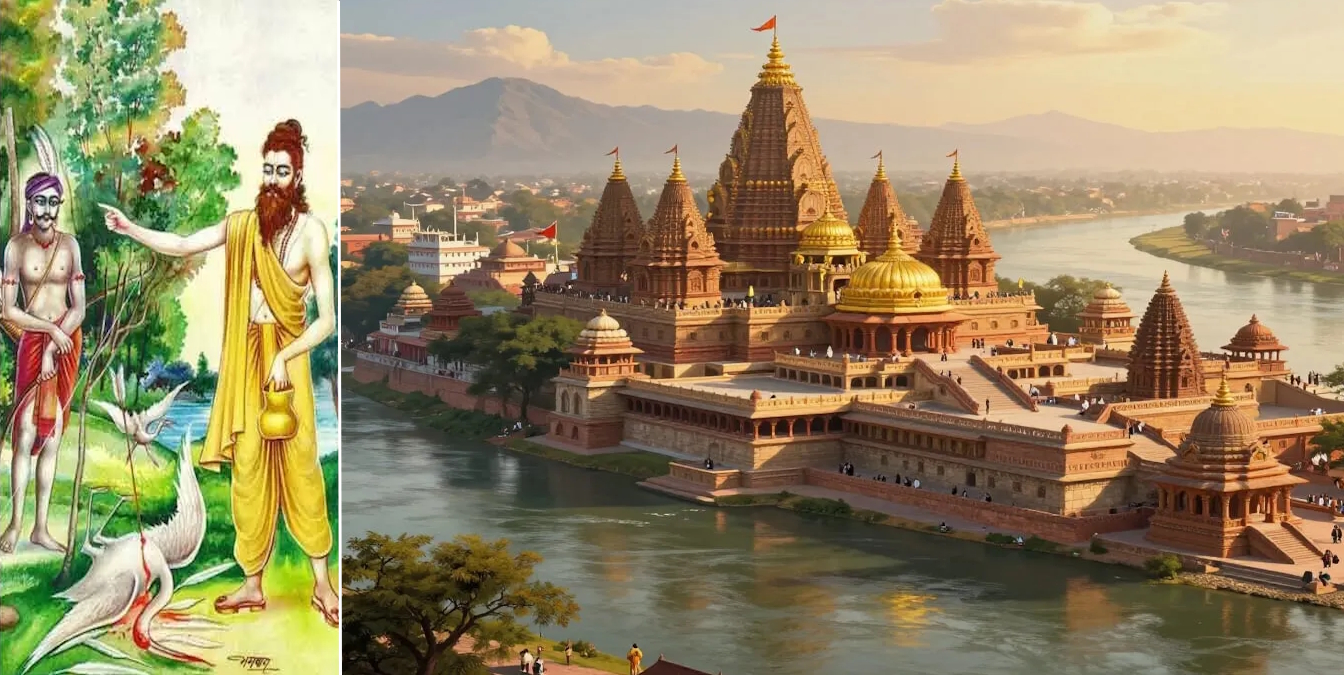
रामलक्ष्मणसीताभी राज्ञा दशरथेन च ।
सभार्येण सराष्ट्रेण यत्प्राप्तं तत्र तत्त्वतः ॥१-३-३॥
rāmalakṣmaṇasītābhī rājñā daśarathena ca । sabhāryeṇa sarāṣṭreṇa yatprāptaṃ tatra tattvataḥ ॥1-3-3॥
Translation
He (Valmiki) perceived in reality (exactly as it happened) all that was experienced by Rama, Lakshmana, and Sita, as well as by King Dasharatha, along with his queens and the kingdom.
हिंदी अनुवाद
उन्होंने (महर्षि वाल्मीकि ने अपनी योगदृष्टि से) श्री राम, लक्ष्मण और सीता के द्वारा, तथा रानियों और राष्ट्र (प्रजा) सहित राजा दशरथ के द्वारा जो कुछ भी (सुख-दुःख आदि) प्राप्त किया गया, उस सबको यथार्थ रूप (तत्त्वतः) से देखा।
English Commentary
This verse underscores the omniscient nature of Sage Valmiki’s meditative vision (Yogadrishti). While in deep absorption, he did not merely imagine the narrative; he witnessed it tattvatah—in absolute truth, exactly as it transpired. The scope of his vision was holistic, encompassing not just the central trio of Rama, Lakshmana, and Sita, but also King Dasharatha, his queens (sa-bharyena), and the entire populace of the kingdom (sa-rashtrena). This implies that Valmiki perceived the collective destiny of Ayodhya, the internal dynamics of the royal household, and the sociopolitical atmosphere of the time. By asserting that he saw 'what was obtained/experienced' by them, the verse establishes the Ramayana as Itihasa (chronicled history) rather than fiction. Valmiki acted as a transcendent witness to the joys, sorrows, and trials of these figures, ensuring that the epic would serve as a faithful record of Dharma in action.
हिंदी टीका
यह श्लोक महर्षि वाल्मीकि की दिव्य दृष्टि की व्यापकता और सूक्ष्मता को प्रमाणित करता है। समाधि में स्थित होकर, उन्होंने न केवल श्री राम, लक्ष्मण और सीता के जीवन की घटनाओं को देखा, बल्कि राजा दशरथ के पारिवारिक और राजकाज से जुड़े संदर्भों को भी 'तत्त्वतः' (वास्तविक रूप में) जाना। 'सभार्येण' (पत्नियों सहित) और 'सराष्ट्रेण' (राष्ट्र सहित) पदों का प्रयोग यह दर्शाता है कि महर्षि की दृष्टि केवल मुख्य पात्रों तक सीमित नहीं थी; उन्होंने रानियों (कौशल्या, कैकेयी, सुमित्रा) के अंतर्द्वंद्व और अयोध्या की प्रजा की भावनाओं का भी साक्षात्कार किया। रामायण को 'इतिहास' (इस प्रकार वास्तव में हुआ) कहा जाता है, और यह श्लोक उस दावे का आधार है। वाल्मीकि जी ने किसी कवि की भाँति कल्पना नहीं की, बल्कि एक साक्षी की भाँति भूतकाल की घटनाओं को उनके मूल रूप में देखा। यह सत्य का अन्वेषण था, जिससे रामायण में वर्णित हर सुख और दुःख प्रामाणिक बन गया।