Srimad Valmiki Ramayana
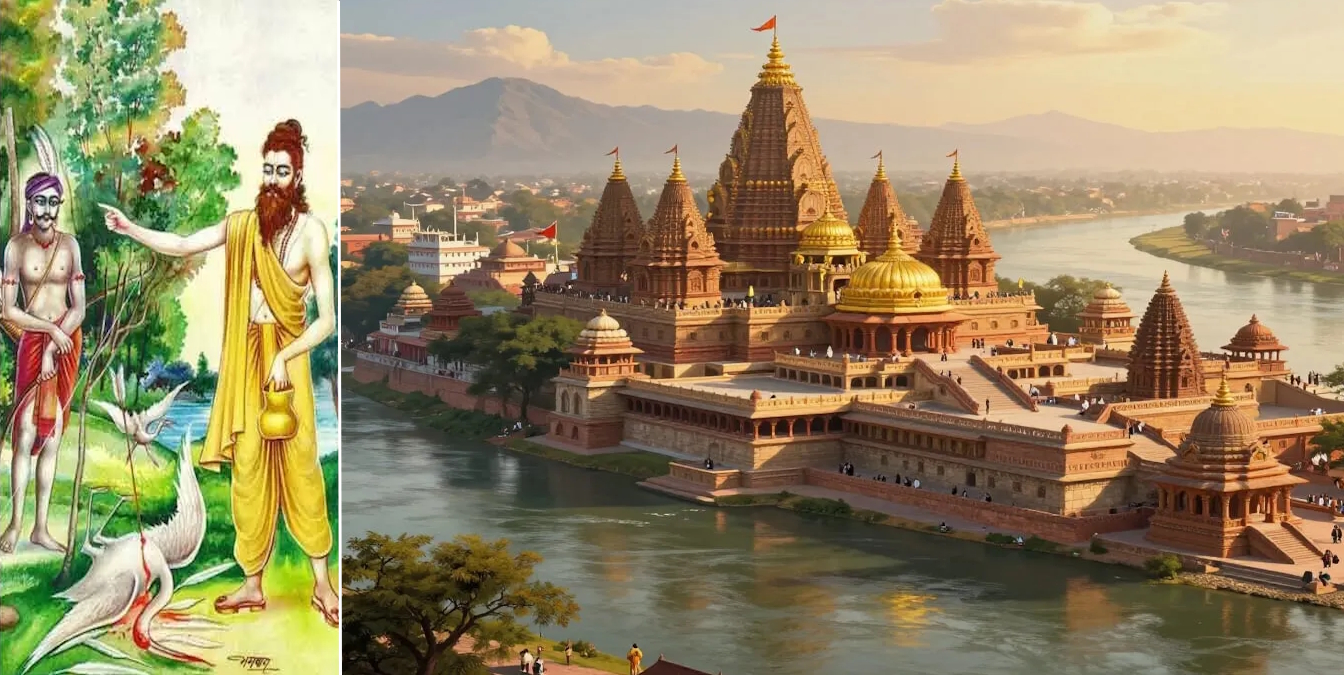
स हत्वा राक्षसान् सर्वान् यज्ञ घ्नान् रघुनंदनः ।
ऋषिभिः पूजितः तत्र यथा इन्द्रो विजये पुरा ॥ ॥१-३०-२४॥
Sa hatvā rākṣasān sarvān yajña ghnān raghunandanaḥ । Ṛṣibhiḥ pūjitaḥ tatra yathā indro vijaye purā ॥ ॥1-30-24॥
Translation
Having killed all those demons who were destroyers of the sacrifice, Raghunandana (Rama) was worshipped there by the sages, just as Indra was worshipped in the past upon his victory.
हिंदी अनुवाद
यज्ञ का नाश करने वाले उन सभी राक्षसों का वध करके, रघुनन्दन श्रीराम वहाँ ऋषियों द्वारा उसी प्रकार पूजित हुए जैसे प्राचीन काल में विजय प्राप्त करने पर इन्द्र पूजित हुए थे।
English Commentary
The comparison to Indra is historically and mythologically significant. Indra is the archetypal hero of the Vedic age, the slayer of Vritra and protector of the cosmic order against chaos. By comparing Rama to Indra, Valmiki elevates Rama's status from a mortal prince to a divine protector. The sages, who possess the power to burn worlds with their ascetic merit, chose instead to honor Rama. This 'puja' signifies gratitude and the recognition of the Kshatriya's role in physically safeguarding the spiritual realm. The victory is not just physical but symbolic—the restoration of order in the chaotic forest.
हिंदी टीका
श्रीराम की तुलना यहाँ इन्द्र से की गई है ('यथा इन्द्रो विजये पुरा')। यह उपमा अत्यंत सार्थक है क्योंकि वेदों में इन्द्र को वृत्रहन् (असुरों का नाशक) और यज्ञ का रक्षक माना गया है। बालक राम ने वही कार्य पृथ्वी पर किया जो इन्द्र स्वर्ग में करते हैं। ऋषियों द्वारा 'पूजित' होना श्रीराम की दिव्यता और उनके कार्य की महत्ता को स्थापित करता है। विश्वामित्र जैसे ब्रह्मर्षि और अन्य तपस्वी, जो स्वयं अत्यंत शक्तिशाली हैं, यदि एक बालक का पूजन कर रहे हैं, तो यह सिद्ध करता है कि राम सामान्य राजकुमार नहीं हैं। यहाँ 'रघुनंदन' शब्द रघुकुल के गौरव को बढ़ाने के संदर्भ में प्रयुक्त हुआ है।