Srimad Valmiki Ramayana
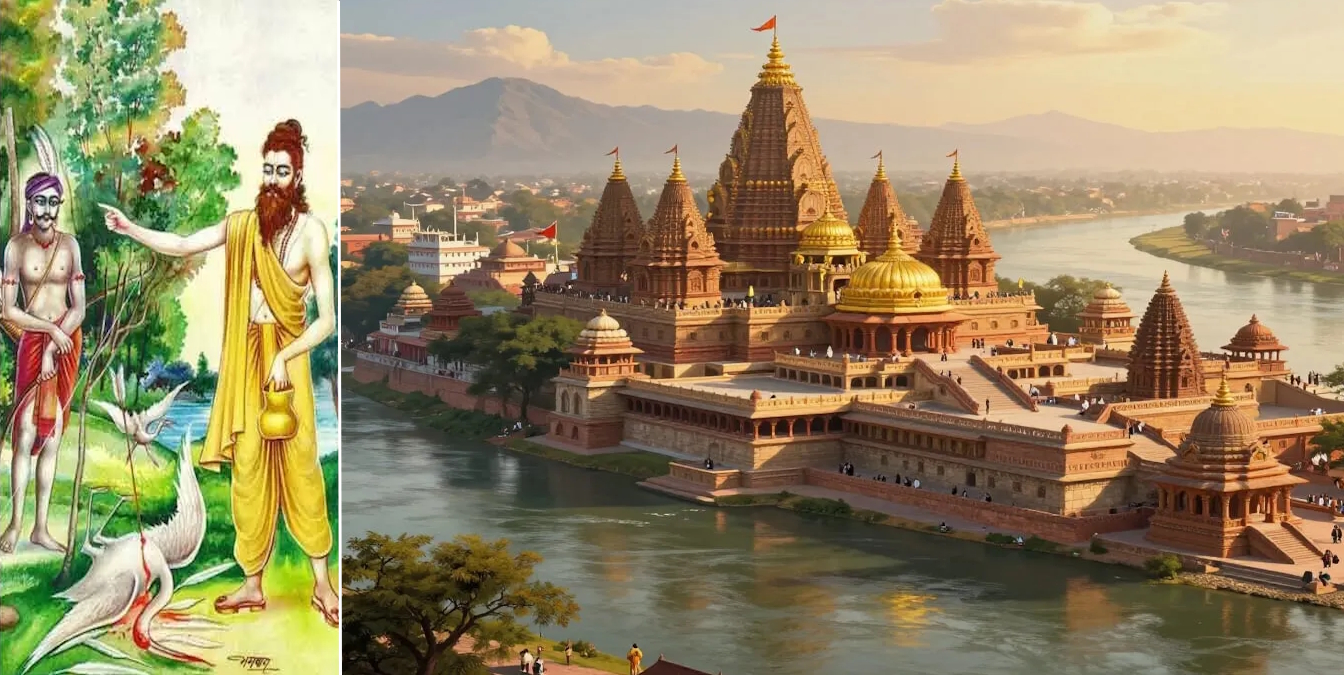
तद् धनुर् नरशार्दूल मैथिलस्य महात्मनः ।
तत्र द्रक्ष्यसि काकुत्स्थ यज्ञम् च परम अद्भुतम् ॥ ॥१-३१-११॥
Tad dhanur naraśārdūla maithilasya mahātmanaḥ । Tatra drakṣyasi kākutstha yajñam ca parama adbhutam ॥ ॥1-31-11॥
Translation
"O Tiger among men, O Kakutstha, there you shall see that bow of the high-souled King of Mithila, and also the supremely wonderful sacrifice."
हिंदी अनुवाद
"हे नरशार्दूल ककुत्स्थ! वहां तुम महात्मा मैथिल (जनक) के उस धनुष को देखोगे और उस परम अद्भुत यज्ञ का भी दर्शन करोगे।"
English Commentary
The sages conclude their pitch. The destination offers two marvels: the Dhanush (Bow) and the Yajna (Sacrifice). Addressing Rama as Kakutstha reinforces his lineage's prestige just before he goes to meet another great lineage (the Janakas). The repetition of drakṣyasi (you will see) confirms that the immediate expectation is merely observation. The sages are acting as conduits of destiny, leading Rama to the place where his life's central events will unfold, framed simply as a pilgrimage to a holy rite.
हिंदी टीका
ऋषियों का निष्कर्ष—यात्रा का उद्देश्य दोहरा है: 'धनुष' और 'यज्ञ'। राम को पुनः 'काकुत्स्थ' (ककुत्स्थ वंशज) कहकर संबोधित किया गया है, जो उस महान परंपरा की याद दिलाता है जो देवताओं की सहायता के लिए जानी जाती है। 'महात्मनः' विशेषण जनक के लिए प्रयुक्त है, जो उनके उच्च चरित्र को दर्शाता है। राम को एक महात्मा से मिलने और एक दिव्य वस्तु को देखने का अवसर मिल रहा है। इस श्लोक के साथ ही सिद्धाश्रम से प्रस्थान की मानसिक तैयारी पूर्ण होती है।