Srimad Valmiki Ramayana
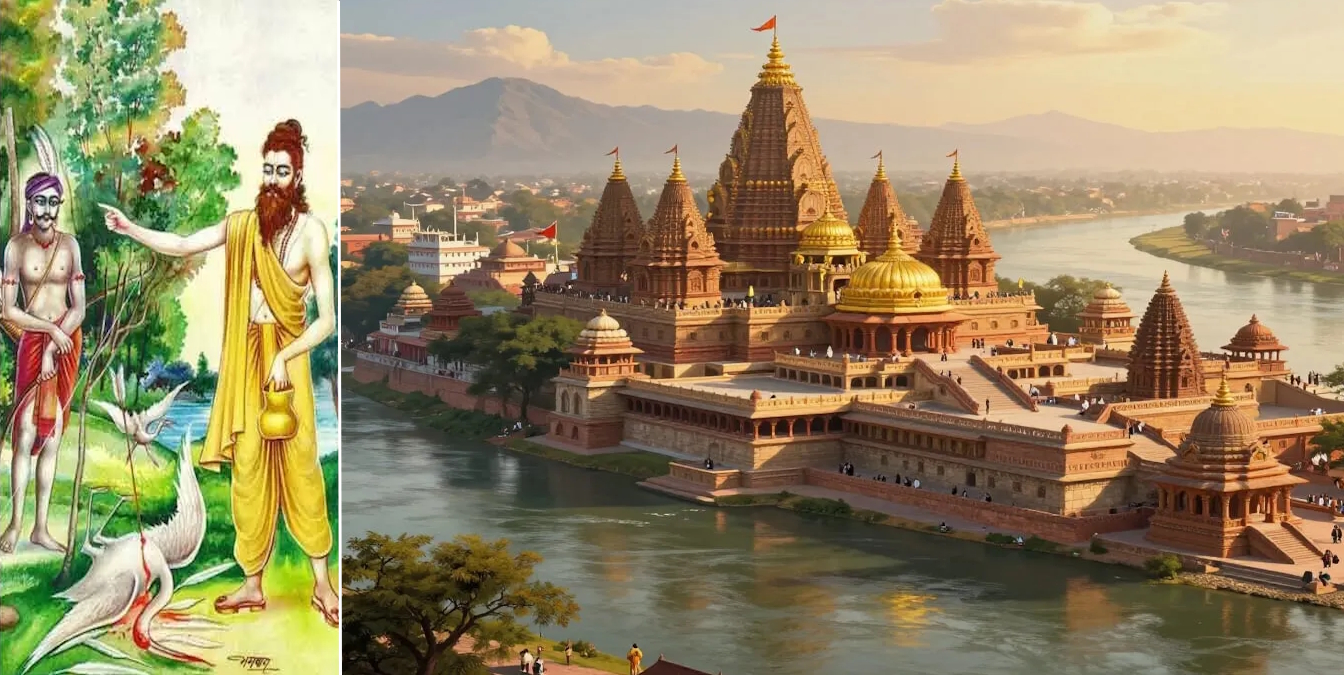
एकः कस्यାः सुतो ब्रह्मन् का बहून् जनयिष्यति ।
श्रोतुम् इच्छावहे ब्रह्मन् सत्यम् अस्तु वचः तव ॥ ॥१-३८-१०॥
ekaḥ kasyāḥ suto brahman kā bahūn janayiṣyati । śrotum icchāvahe brahman satyam astu vacaḥ tava ॥ ॥1-38-10॥
Translation
O Brahman! Whose son shall be the single one, and who shall give birth to the many? We wish to hear this. May your word come true.
हिंदी अनुवाद
हे ब्रह्मन्! एक पुत्र किसका होगा और कौन बहुतों को जन्म देगी? हम यह सुनना चाहती हैं। हे ब्रह्मन्! आपका वचन सत्य हो।
English Commentary
The queens pose the critical question: Who gets the single heir, and who gets the multitude? Addressing the sage as 'Brahman,' they express their desire to know their individual fates ('srotum icchavahe'). The closing phrase 'satyam astu vacah tava' (May your word be true) acts as a seal of acceptance on the boon, regardless of the distribution. This interaction is pivotal because, in the subsequent verses, the choice is often depicted as being granted to them based on their preference. Keshini (representing Dharma/Order) usually chooses the single lineage-holder, while Sumati (representing elemental power/Garuda's sister) chooses the 60,000 powerful sons. This dialogue finalizes the destiny of the Solar Dynasty.
हिंदी टीका
रानियों का प्रश्न सीधा और स्पष्ट है। वे निर्णय ऋषि पर नहीं छोड़तीं, बल्कि यह जानना चाहती हैं कि विधि (भाग्य) ने किसके लिए क्या तय किया है (या कुछ संस्करणों में, वे चयन का अवसर मांग रही हैं)। 'श्रोतुम् इच्छावहे' (हम दोनों सुनना चाहती हैं) उनकी उत्कंठा को व्यक्त करता है। 'सत्यम् अस्तु वचः तव' (आपका वचन सत्य हो) एक मंगलकामना और ऋषि के प्रति आस्था का प्रतीक है—वे मान चुकी हैं कि संतान होगी, अब प्रश्न केवल वितरण का है। यहाँ 'ब्रह्मन्' संबोधन भृगु की आध्यात्मिक सत्ता को रेखांकित करता है। यह क्षण निर्णय का है जो इक्ष्वाकु वंश की दो धाराओं को जन्म देगा: एक जो अयोध्या पर शासन करेगी, और दूसरी जो सगर-पुत्रों के रूप में भस्म होकर गंगा-अवतरण का कारण बनेगी।