Srimad Valmiki Ramayana
स च ज्येष्ठो नरश्रेष्ठ सगरस्य आत्म संभवः ।
बालान् गृहीत्वा तु जले सरय्वा रघुनंदन ॥ ॥१-३८-२०॥
sa ca jyeṣṭho naraśreṣṭha sagarasya ātma saṃbhavaḥ । bālān gṛhītvā tu jale sarayvā raghunandana ॥ ॥1-38-20॥
Translation
And, O best of men, Raghunandana! That eldest born of Sagara (Asamanja), taking the children, [would throw them] into the waters of the Sarayu...
हिंदी अनुवाद
हे नरश्रेष्ठ रघुनंदन! सगर का वह ज्येष्ठ आत्मज (असमंज), बालकों को पकड़कर सरयू के जल में (फेंक देता था)...
English Commentary
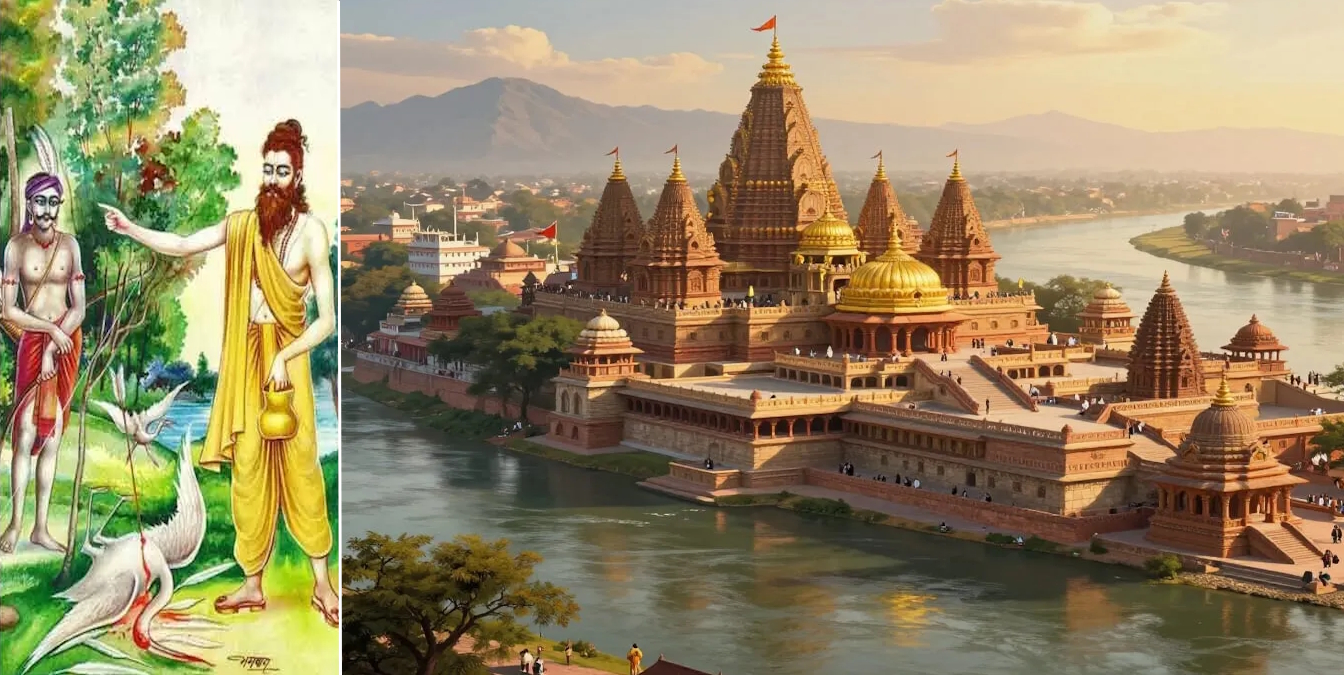
This verse begins to describe the sadistic tendencies of the eldest son, Asamanja. He would grab the children of the citizens and throw them into the Sarayu river. Though the sentence continues into the next verse to fully describe their drowning/laughing, the intent here is clear. Asamanja creates terror in Ayodhya. The contrast is stark: Sagara was 'prajakama' (lover of subjects), but his heir is killing the subjects' children. Addressing Rama as 'Narashreshtha' (Best among men) highlights the contrast between Rama’s protective nature and Asamanja’s destructive nature. This creates the conflict that leads to Asamanja's exile, paving the way for his son Anshuman to become the true heir.
हिंदी टीका
यहाँ केशिनी के पुत्र असमंज के क्रूर स्वभाव का परिचय मिलता है। यद्यपि श्लोक में क्रिया (फेंकना/डुबोना) स्पष्ट रूप से अगले श्लोक में पूर्ण होती है, संदर्भ स्पष्ट है। वह नगर के बालकों को पकड़कर सरयू नदी में डुबो देता था। 'आत्म संभवः' (स्वयं का पुत्र) होने के बावजूद उसका व्यवहार अमानवीय था। विश्वामित्र राम को 'नरश्रेष्ठ' कहते हैं, जो असमंज के 'नर-अधम' व्यवहार के ठीक विपरीत है। एक 'वंशकर' पुत्र से रक्षा की अपेक्षा थी, लेकिन वह विनाशक बन गया। यह सगर के लिए दुखद स्थिति थी—जिस पुत्र के लिए तपस्या की, वह प्रजा के लिए अभिशाप बन गया।