Srimad Valmiki Ramayana
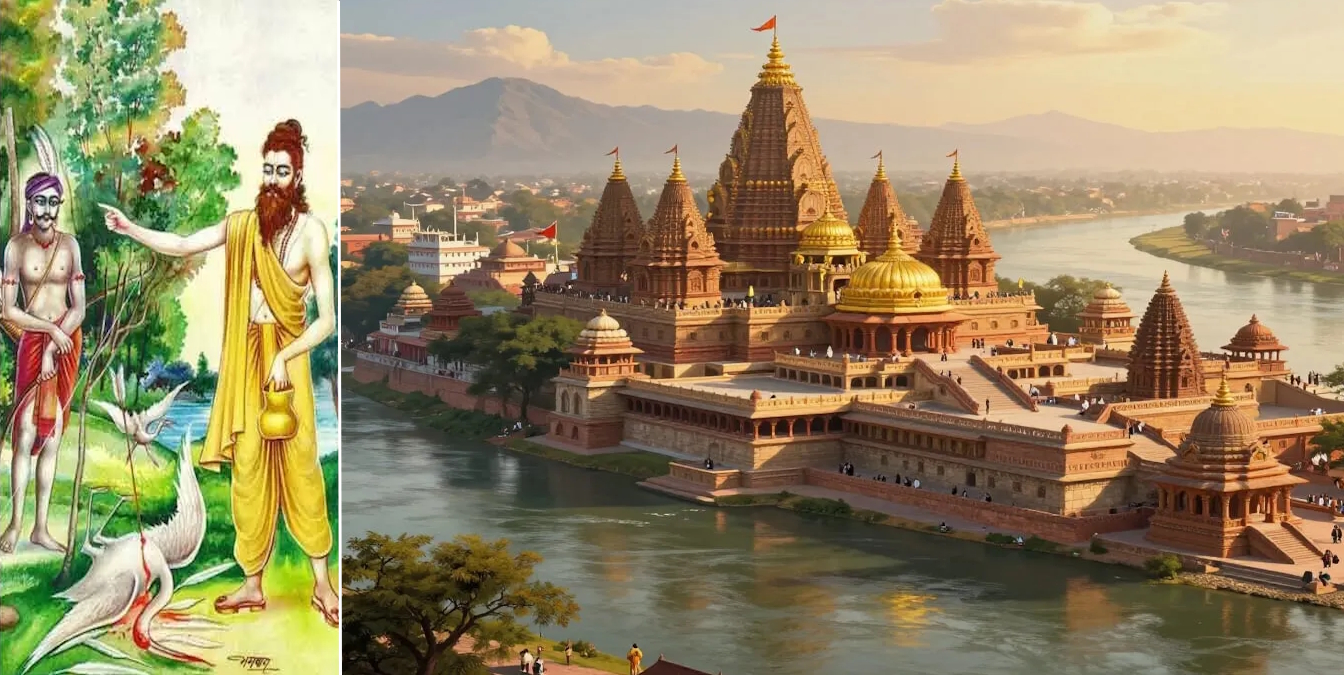
चिरनिर्वृत्तम् अपि एतत् प्रत्यक्षम् इव दर्शितम् ।
प्रविश्य ता उभौ सुष्ठु तथा भावम् अगायताम् ॥१-४-१८॥
Ciranirvṛttam apyetat pratyakṣam iva darśitam |
Praviśya tāvubhau suṣṭhu tathā bhāvam agāyatām ॥1-4-18॥
Translation
"Even though these events took place long ago, they have shown them as if they were happening right before our eyes. Having entered fully into the mood and meaning, those two sang the emotions perfectly."
हिंदी अनुवाद
"हालांकि ये घटनाएँ बहुत पहले हो चुकी हैं, उन्होंने उन्हें इस तरह दिखाया जैसे कि वे हमारे सामने घटित हो रही हैं। पूरी तरह से भावना और अर्थ में प्रवेश करके, उन दोनों ने भावनाओं को पूरी तरह से गाया।"
English Commentary
This verse is a masterclass in Indian Aesthetics (Rasa Shastra), describing the ultimate goal of any artistic performance: to transcend time and space. \n\n1. Pratyakṣam Iva (As if Before the Eyes) \nThis is the highest praise a storyteller can receive. \nThe events of the Ramayana (Rama's exile, the war with Ravana) had happened in the past (Cira-nirvṛttam). To the audience, it was history. \nHowever, Kusha and Lava's singing was so vivid that the listeners felt they were witnessing the events live, not just hearing about them. The past became the present. \n\n2. Praviśya (Having Entered) \nThe word Praviśya is profoundly significant here. It literally means "having entered." \nIt suggests that the twins did not stand apart from the story. They "entered" the music and the narrative. \nIn the context of acting and singing, this implies complete identification with the subject matter. They weren't just reciting lines; they became the characters and the emotions they were portraying. \n\n3. Bhāvam (Emotion/Sentiment) \nBhāva is the seed that produces Rasa (aesthetic experience) in the audience. \nBy singing the Bhāvam perfectly (Suṣṭhu), they triggered the corresponding emotions in the Sages (compassion, valor, wonder). The verse connects the performer's internal state (Praviśya) with the external result (Pratyakṣam). \n\n4. Narrative Context \nThere is a poignant irony here. The events are described as "happening long ago." While Rama is still alive and ruling, the trials of his youth—the forest exile and the abduction of Sita—are distant memories to the public. Yet, for the boys (who are singing about their own parents without knowing it), bringing this "ancient" history to life forces the audience to re-live the tragedy and glory of their King.
हिंदी टीका
यह श्लोक भारतीय सृजनात्मकता (रस शास्त्र) में एक उत्कृष्ट उदाहरण है, जो किसी भी कलात्मक प्रदर्शन का अंतिम लक्ष्य दर्शाता है: समय और स्थान को पार कर जाना। \n\n1. प्रत्यक्षम् इव \nयह किसी कथाकार को मिल सकता सबसे ऊँचा प्रशंसा है।\nरामायण की घटनाएँ (राम का वनवास, रावण के साथ युद्ध) अतीत में हुईं (चिरनिर्वृत्तम्)। श्रोता इसे इतिहास मान रहे थे।\nहालांकि, कुश और लव का गाना इतना जीवंत था कि श्रोताओं ने महसूस किया कि वे घटनाओं को लाइव देख रहे हैं, न कि बस सुन रहे हैं।\n\n2. प्रवेश्य \nप्रवेश्य शब्द यहाँ गहरा महत्व रखता है। इसका शाब्दिक अर्थ "भीतर प्रवेश करना" है।\nयह सुझाव देता है कि युग्मक कथा से अलग नहीं खड़े हुए। उन्होंने संगीत और कथा में "प्रवेश" किया।\n\n3. भावम् \nभाव वह बीज है जो श्रोता में रस (सौंदर्य अनुभव) उत्पन्न करता है।\nउन्हें संपूर्ण भाव गाकर, उन्होंने ऋषियों में समान भावनाओं को उत्तेजित किया।\n\n4. कथा का संदर्भ \nयहाँ एक गहरा विडंबना है। घटनाएँ "बहुत पहले घटित होने" के रूप में वर्णित की गई हैं। जबकि राम अभी भी जीवित और शासन कर रहे हैं, उनके युवा जीवन के प्रयास-वनवास और सीता का अपहरण- जनता के लिए दूर की यादें हैं।