Srimad Valmiki Ramayana
संरक्ततरम् अत्यर्थम् मधुरम् तौ अगायताम् ।
प्रीतः कश्चिन् मुनिः ताभ्याम् संस्थितः कलशम् ददौ ॥१-४-२०॥
saṃraktataram atyartham madhuram tau agāyatām |
prītaḥ kaścin muniḥ tābhyām saṃsthitaḥ kalaśam dadau ॥1-4-20॥
Translation
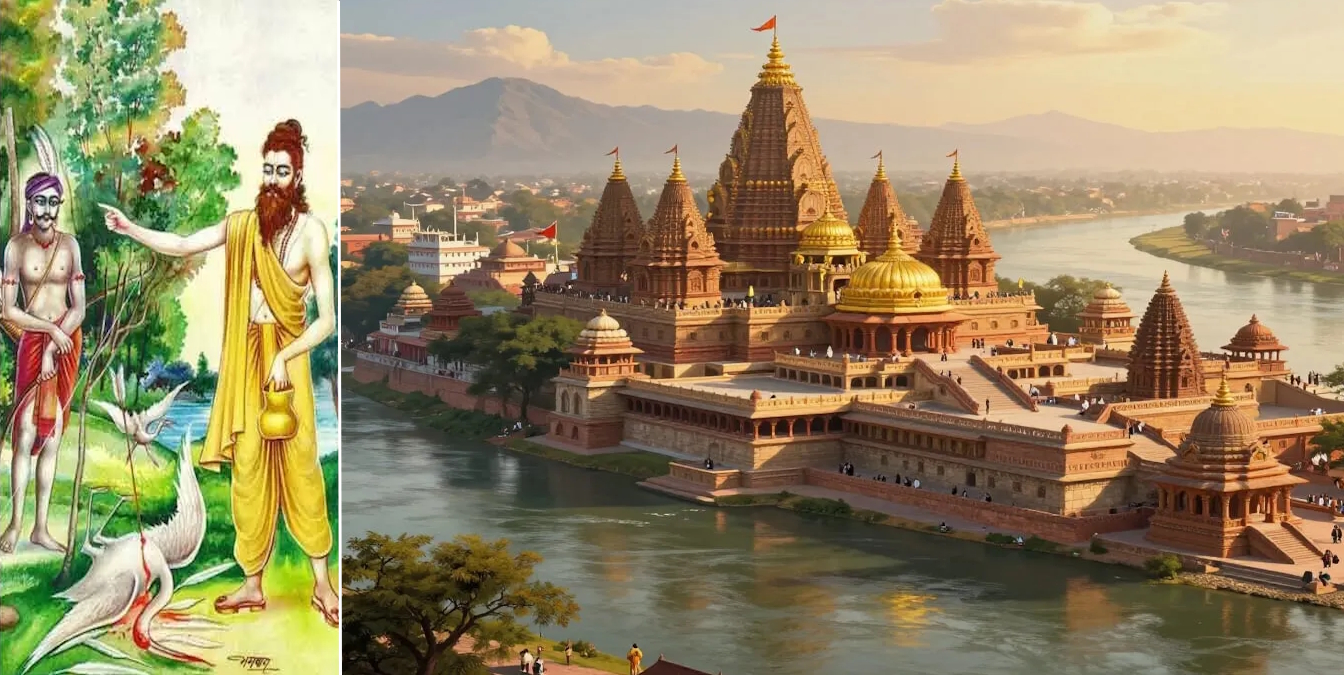
The two of them sang in an exceedingly melodious and extremely sweet manner. Pleased by this, a certain sage situated there gave them his water-pot.
हिंदी अनुवाद
उन दोनों (कुश और लव) ने अत्यधिक रसमय और अत्यंत मधुर गायन किया। (उस गान से) प्रसन्न होकर वहाँ उपस्थित किसी मुनि ने उन्हें (पुरस्कार स्वरूप) अपना कलश (जल पात्र) दे दिया।
English Commentary
This verse captures the intensifying atmosphere as Kusha and Lava continued their recitation. The term 'saṃraktataram' implies that the performance became progressively more impassioned and captivating. The context of the reward is profound. Unlike a royal court where entertainers are showered with gold, this assembly consisted of ascetics who had renounced material wealth. Their possessions were purely functional and essential for survival, such as a water pot (kalasha). For a sage to spontaneously gift his kalasha signifies an overwhelming sense of joy ('prītaḥ') that transcended his usual detachment. It illustrates that the chanting was so spiritually and aesthetically powerful that it moved a disciplined ascetic to part with one of his few essential belongings. This act serves as a testament to the power of the Ramayana: it is not just a dry scripture but a 'Rasayana' (reservoir of emotional essence) that can stir the hearts of even the most stoic sages.
हिंदी टीका
यह श्लोक उस अद्भुत वातावरण का वर्णन करता है जो लव और कुश के रामायण गान से ऋषियों की सभा में निर्मित हुआ था। 'संरक्ततरम्' शब्द इंगित करता है कि उनका गायन उत्तरोत्तर अधिक गहरा और भावपूर्ण होता गया। यहाँ संदर्भ महत्वपूर्ण है: श्रोतागण वनवासी तपस्वी हैं, राजा-महाराजा नहीं। सांसारिक सभाओं में कलाकारों को स्वर्ण या मुद्रा दी जाती है, किन्तु इन वीतरागी मुनियों के पास भौतिक धन नहीं है। उनके पास केवल उनके तप के साधन (जैसे कमंडलु या वल्कल) हैं। एक मुनि का प्रसन्न होकर अपना 'कलश' (जो उनकी दिनचर्या और अनुष्ठानों के लिए अनिवार्य है) दे देना, उनके अत्यधिक हर्ष और भाव-विभोर होने का प्रमाण है। यह दर्शाता है कि भगवान राम का चरित्र और सुमधुर संगीत मिलकर ऐसा प्रभाव उत्पन्न करते हैं कि त्यागी पुरुष भी अपनी प्रिय और आवश्यक वस्तुओं को न्योछावर करने के लिए विवश हो जाते हैं। यह ऋषियों द्वारा कला का सर्वोच्च सम्मान था।