Srimad Valmiki Ramayana
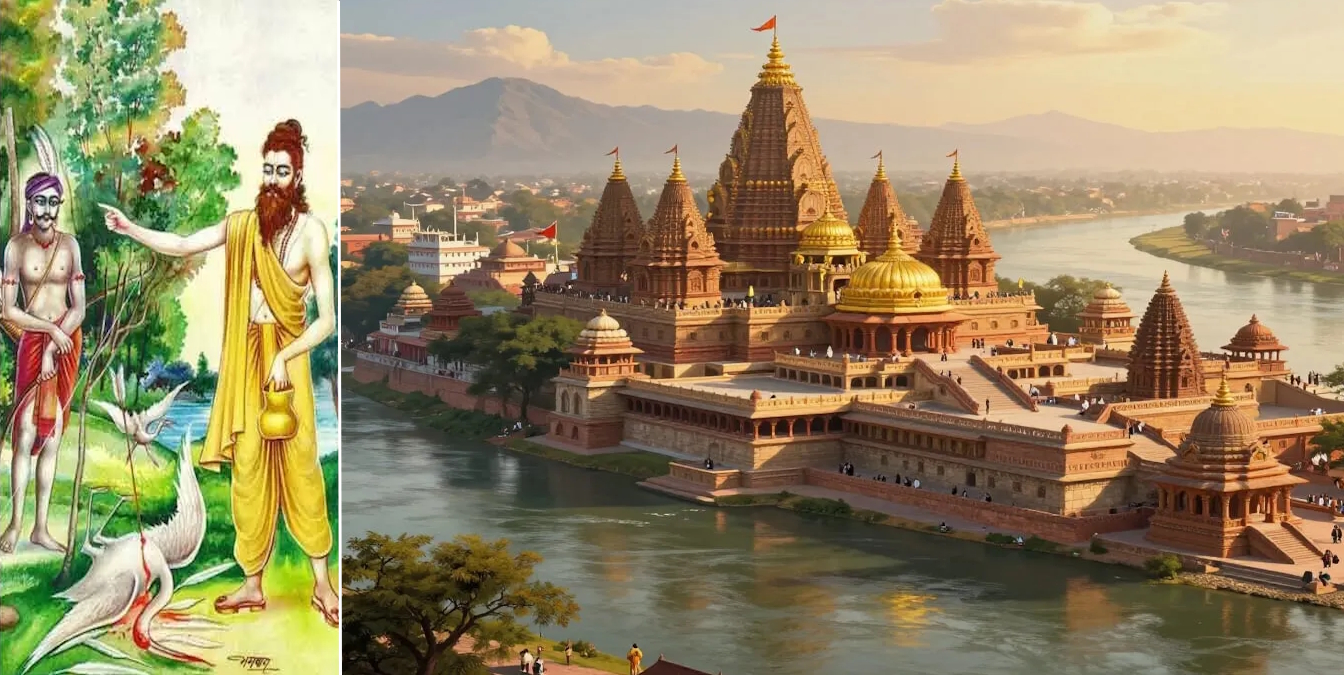
कश्चित् कमण्डलुम् प्रदान् मौञ्जीम् अन्यो महामुनिः ।
ब्रुसीमन्यः तदा प्रादत् कौपीनम् अपरो मुनिः ॥१-४-२२॥
kaścit kamaṇḍalum prādān mauñjīm anyo mahāmuniḥ |
brusīm anyaḥ tadā prādat kaupīnam aparo muniḥ ॥1-4-22॥
Translation
Some sage gave a water-pot (Kamandalu), and another great sage gave a girdle made of Munja grass. At that time, another gave a seat (Brusi), and yet another sage bestowed a loincloth.
हिंदी अनुवाद
किसी ऋषि ने (प्रसन्न होकर) कमंडलु प्रदान किया, किसी अन्य महामुनि ने मूँज की मेखला (मौञ्जी) दी। उसी समय किसी अन्य ऋषि ने आसन (ब्रुसी) भेंट किया और किसी दूसरे मुनि ने कौपीन (लंगोटी) प्रदान की।
English Commentary
This verse continues to list the ascetic gifts showered upon Kusha and Lava, emphasizing the profound impact of their recitation. The items listed—'Kamandalu' (water-pot), 'Mauñjī' (sacred grass girdle), 'Brusī' (a mat or seat used by ascetics), and 'Kaupīnam' (loincloth)—comprise the essential survival kit of a renunciate. By gifting these, the sages are not merely rewarding entertainment; they are honoring the boys as fellow spiritual aspirants (Brahmacharis). The gift of the 'Brusī' is particularly symbolic; by offering their own seat, a sage signifies that the recipient is worthy of high status and reverence. This act highlights a complete surrender of the audience to the divine narrative: the sages were so moved by the piety and melody of the Ramayana that they willingly parted with the very tools necessary for their daily penance and existence.
हिंदी टीका
यह श्लोक उस भावपूर्ण दृश्य का विस्तार है जहाँ नैमिषारण्य के तपस्वी लव और कुश के रामायण गान पर अपना सर्वस्व न्योछावर कर रहे हैं। यहाँ दान दी गई वस्तुएं—कमंडलु, मौञ्जी (उपनयन संस्कार के समय धारण की जाने वाली मूँज की रस्सी), ब्रुसी (कुशा या वल्कल से बना ऋषियों का आसन), और कौपीन—एक वनवासी साधक की मूलभूत आवश्यकताएं हैं। इन वस्तुओं का दान यह दर्शाता है कि ऋषिगण उन बालकों को साधारण गायक नहीं, बल्कि सुपात्र ब्रह्मचारी मान रहे थे। 'ब्रुसी' का दान विशेष महत्वपूर्ण है, क्योंकि अपना आसन किसी को देना उसे अपने समान सम्मान देने का प्रतीक है। ऋषियों द्वारा अपनी नित्य-उपयोग की अनिवार्य वस्तुओं का त्याग यह सिद्ध करता है कि भगवान राम की कथा के श्रवण से प्राप्त आनंद उनके भौतिक अस्तित्व के मोह से कहीं अधिक था। यह कला और भक्ति का सर्वोच्च सम्मान है जो भौतिक धन से नहीं, बल्कि आत्मीय वस्तुओं से दिया गया।