Srimad Valmiki Ramayana
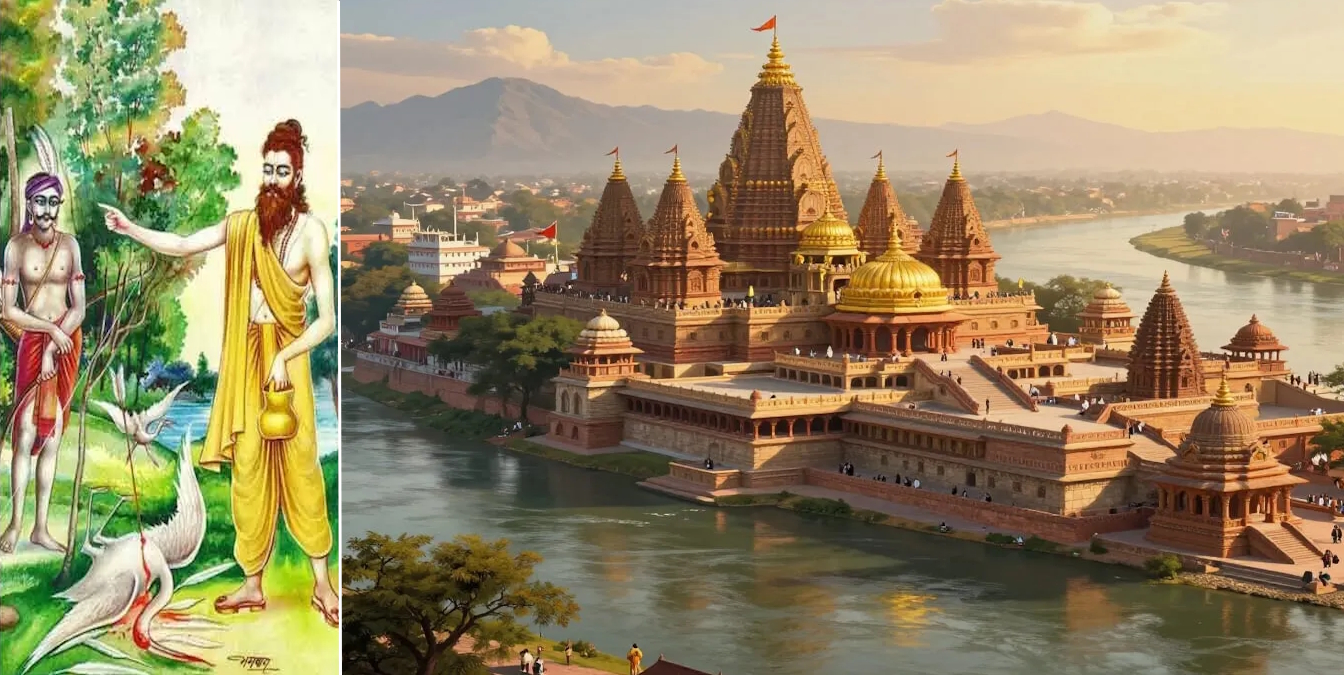
यज्ञियम् च हयम् तत्र चरन्तम् अविदूरतः ।
ददर्श पुरुषव्याघ्रो दुःख शोक समन्वितः ॥ ॥१-४१-१४॥
Yajñiyam ca hayam tatra carantam avidūrataḥ । Dadarśa puruṣavyāghro duḥkha śoka samanvitaḥ ॥ ॥1-41-14॥
Translation
Though engulfed in grief and sorrow, that tiger among men (Anshuman) saw the sacrificial horse grazing not far from that place.
हिंदी अनुवाद
दुःख और शोक से घिरे होने के बावजूद, उन पुरुष-श्रेष्ठ (अंशुमान) ने यज्ञ के अश्व को वहीं थोड़ी दूर पर चरते हुए देखा।
English Commentary
The juxtaposition in this verse is striking. While Anshuman is consumed by sorrow (duḥkha śoka samanvitaḥ), he retains his situational awareness, spotting the sacrificial horse nearby. The epithet puruṣavyāghro (tiger among men) is deliberate; it praises his ability to focus on the mission despite emotional trauma. Finding the horse was the primary objective of his journey. The visual of the horse grazing peacefully near the heaps of ashes serves as a profound metaphor for the indifference of nature to human tragedy, and the persistence of duty (Dharma) amidst death.
हिंदी टीका
इस श्लोक में 'पुरुषव्याघ्र' (नर-शार्दूल) शब्द का प्रयोग महत्वपूर्ण है। यह इंगित करता है कि गहन शोक (दुःख शोक समन्वितः) के बीच भी अंशुमान अपने लक्ष्य को नहीं भूले। सामान्य व्यक्ति शोक में अपने कर्तव्य को विस्मृत कर सकता है, परन्तु एक श्रेष्ठ पुरुष अपनी दृष्टि लक्ष्य पर बनाए रखता है। अश्व का जीवित मिलना इस अंधकारमय स्थिति में आशा की एक किरण थी। यह दृश्य विरोधाभासी है—एक ओर मृत्यु का ढेर (भस्म) और दूसरी ओर यज्ञ का अश्व (जीवन और धर्म का प्रतीक) शांति से चर रहा है, जो संसार की नश्वरता और जीवन की निरंतरता को दर्शाता है।