Srimad Valmiki Ramayana
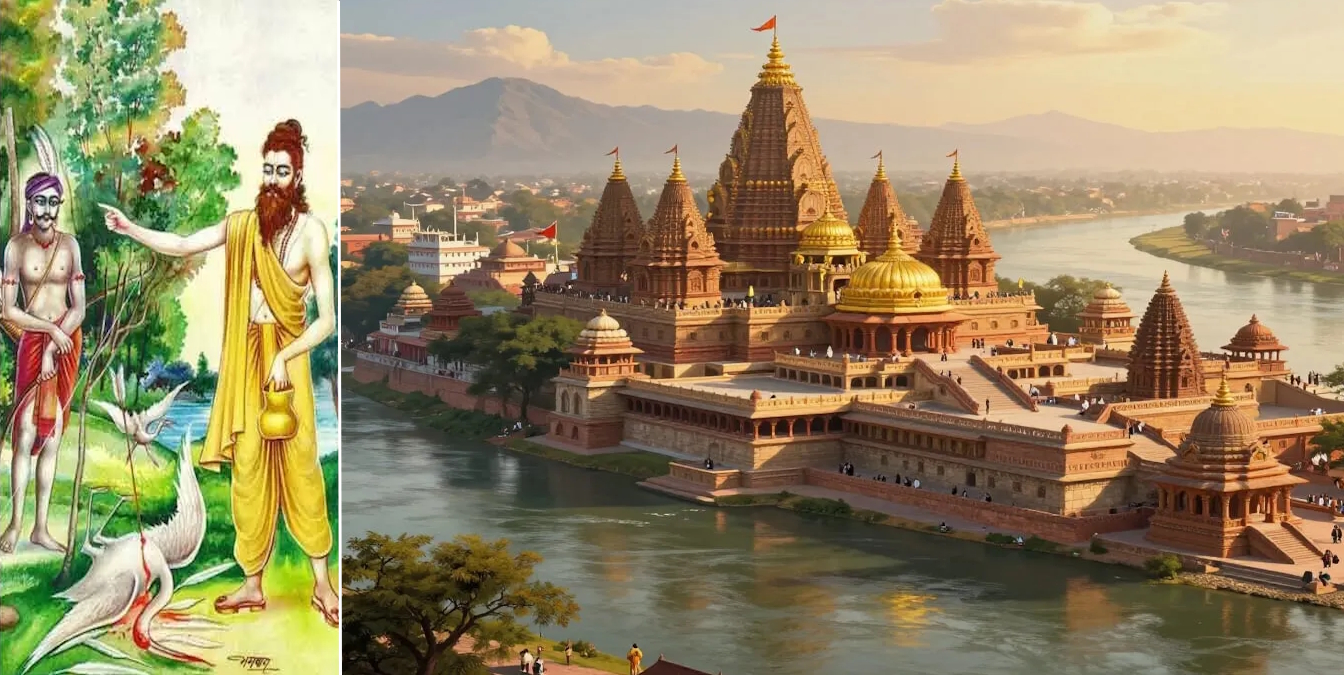
तद् श्रुता राघवेण उक्तम् वाक्यम् वाक्य विशारदः ।
प्रति उवाच महातेजा विश्वमित्रो महामुनिः ॥ ॥१-४८-१४॥
Tat shrutaa raaghavena uktam vaakyam vaakya vishaaradah |
Prati uvaacha mahaatejaa vishvaamitro mahaamunih ॥1-48-14॥
Translation
Hearing that speech spoken by Raghava, the great sage Vishvamitra, of great radiance and expert in speech, replied.
हिंदी अनुवाद
राघव द्वारा कहे गए उस वचन को सुनकर, वाणी के मर्मज्ञ (वाक्य विशारद) और महातेजस्वी महामुनि विश्वामित्र ने उत्तर दिया।
English Commentary
This verse serves as a narrative bridge. Valmiki uses descriptors to emphasize the quality of the interaction. Vishvamitra is Mahaatejaa (of great splendor) and ready to illuminate the past. The phrase vaakya vishaaradah (skilled in speech) describes the eloquence involved in this dialogue. While usually applied to the speaker, here it highlights that the exchange is between two highly intelligent beings. Vishvamitra responds not just to satisfy curiosity, but because he knows the destiny that links Rama to this specific location. He prepares to narrate the history that necessitates Rama's divine intervention.
हिंदी टीका
यहाँ महर्षि वाल्मीकि ने गुरु और शिष्य दोनों के लिए विशेष विशेषणों का प्रयोग किया है। विश्वामित्र को 'महातेजा' (महान तेज वाले) और 'वाक्य विशारद' (बोलने में निपुण) कहा गया है। हालाँकि, कुछ टीकाकार 'वाक्य विशारद' का प्रयोग राम के लिए भी मानते हैं, क्योंकि उन्होंने बहुत ही उचित और सधे हुए शब्दों में प्रश्न पूछा था। विश्वामित्र, जो स्वयं एक महान ज्ञानी हैं, राम की जिज्ञासा का समाधान करने के लिए तत्पर होते हैं। वे जानते हैं कि अब समय आ गया है कि राम के चरणों की धूल से उस श्राप का अंत हो। गुरु और शिष्य के बीच का यह संवाद ज्ञान के हस्तांतरण का एक सुंदर उदाहरण है।