Srimad Valmiki Ramayana
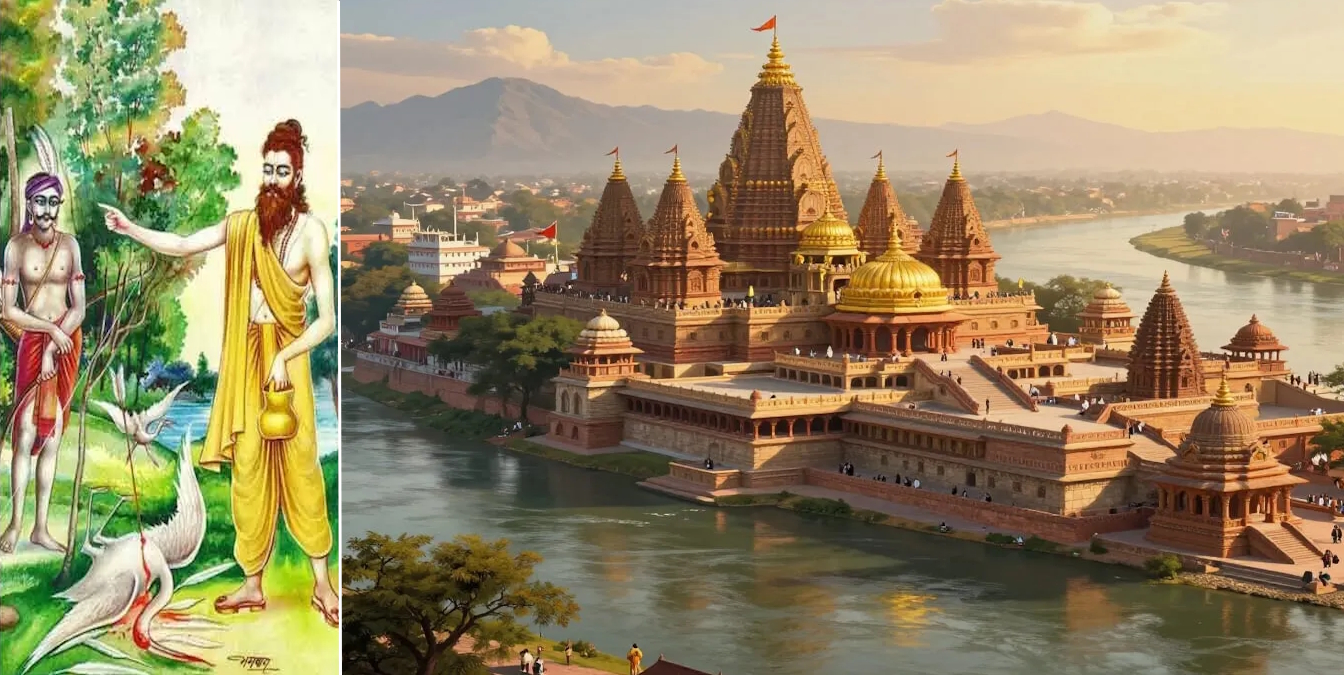
तस्य आतिथ्येन दुर्वृत्ते लोभ मोह विवर्जिता ।
मत् सकाशे मुदा युक्ता स्वम् वपुः धारयिष्यसि ॥ ॥१-४८-३३॥
tasya ātithyena durvṛtte lobha moha vivarjitā |
mat sakāśe mudā yuktā svam vapuḥ dhārayiṣyasi ॥1-48-33॥
Translation
"O woman of bad conduct! Having been freed from greed and delusion, and after extending hospitality to him (Rama), you shall joyfully regain your own form in my presence."
हिंदी अनुवाद
"हे दुराचारिणी! लोभ और मोह से रहित होकर, जब तुम उनका (राम का) आतिथ्य-सत्कार करोगी, तब तुम मेरे पास (सान्निध्य में) प्रसन्नतापूर्वक अपना पूर्व शरीर धारण करोगी।"
English Commentary
Gautama addresses her sternly as Durvritte (one of bad conduct), acknowledging the transgression, yet he offers a path to restoration. The verse outlines the psychological transformation required: she must become Lobha moha vivarjita (devoid of greed and delusion). The act of offering hospitality (atithya) to Rama serves as the final act of yajna that breaks the curse. Significantly, the curse ends with reconciliation—she will not just be purified but will regain her form (svam vapuh) and be reunited with Gautama (mat sakashe). This emphasizes that the ultimate goal of this penance is the restoration of the domestic and spiritual order that was disrupted.
हिंदी टीका
ऋषि गौतम यहाँ अहिल्या को 'दुर्वृत्ते' (बुरे आचरण वाली) कह कर संबोधित करते हैं, जो उनके वर्तमान क्रोध को दर्शाता है, किन्तु शाप का अंत मिलन में है। मुक्ति की शर्त केवल राम का दर्शन नहीं, बल्कि 'आतिथ्य' (सेवा) भी है। ऋषि स्पष्ट करते हैं कि शुद्धि के बाद अहिल्या 'लोभ मोह विवर्जिता' हो जाएगी—अर्थात इंद्र के प्रति जो मोह या देवराज के पद का लोभ था, वह समाप्त हो जाएगा। 'स्वम् वपुः धारयिष्यसि' का अर्थ है कि वह अपनी दिव्य कांति और भौतिक स्वरूप को पुनः प्राप्त करेगी और ऋषि उसे पत्नी रूप में पुनः स्वीकार करेंगे। यह पश्चाताप के बाद पूर्ण पुनर्वास (rehabilitation) का वचन है।