Srimad Valmiki Ramayana
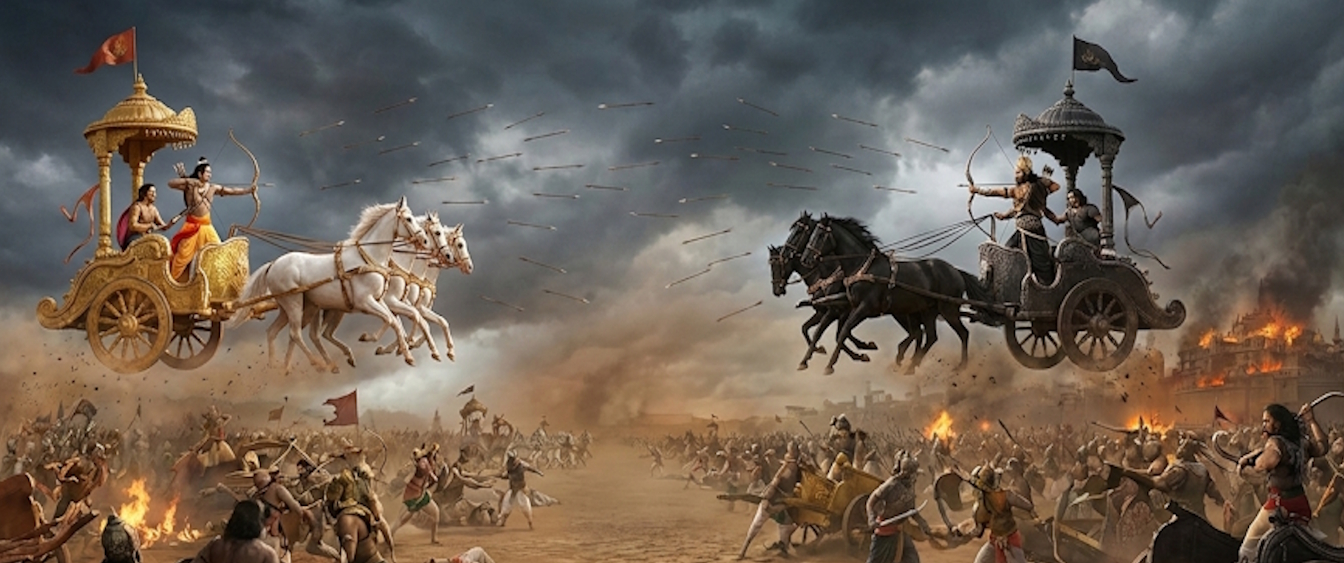
एवं परुषमुक्तस्तु हितबुद्धिरबुद्धिना ।
अब्रवीद्रावणं सूतो हितं सानुनयं वचः ॥६-१०६-१०॥
evaṃ paruṣamuktastu hitabuddhirabuddhinā |
abravīdrāvaṇaṃ sūto hitaṃ sānunayaṃ vacaḥ ॥6-106-10॥
Translation
Though spoken to harshly in this manner by the foolish (Ravana), the well-meaning charioteer spoke beneficial and polite words to Ravana.
हिंदी अनुवाद
बुद्धिहीन (रावण) द्वारा इस प्रकार कठोर वचन कहे जाने पर भी, हित चाहने वाले सारथी ने रावण से हितकारी और विनम्र वचन कहे।
English Commentary
Valmiki refers to Ravana as 'abuddhina' (foolish) here because his anger blinds him to his own welfare. In contrast, the charioteer is 'hitabuddhi' (well-meaning). Despite being insulted, the charioteer did not lose patience and replied with humility ('sanunayam'), the mark of an excellent servant.
हिंदी टीका
वाल्मीकि जी यहाँ रावण को 'अबुद्धिना' (बुद्धिहीन) कहते हैं क्योंकि वह क्रोध में अपना हित नहीं देख पा रहा। इसके विपरीत, सारथी 'हितबुद्धि' है। अपमानित होने के बाद भी सारथी ने धैर्य नहीं खोया और विनम्रता ('सानुनयं') से उत्तर दिया, जो एक उत्तम सेवक का लक्षण है।