Srimad Valmiki Ramayana
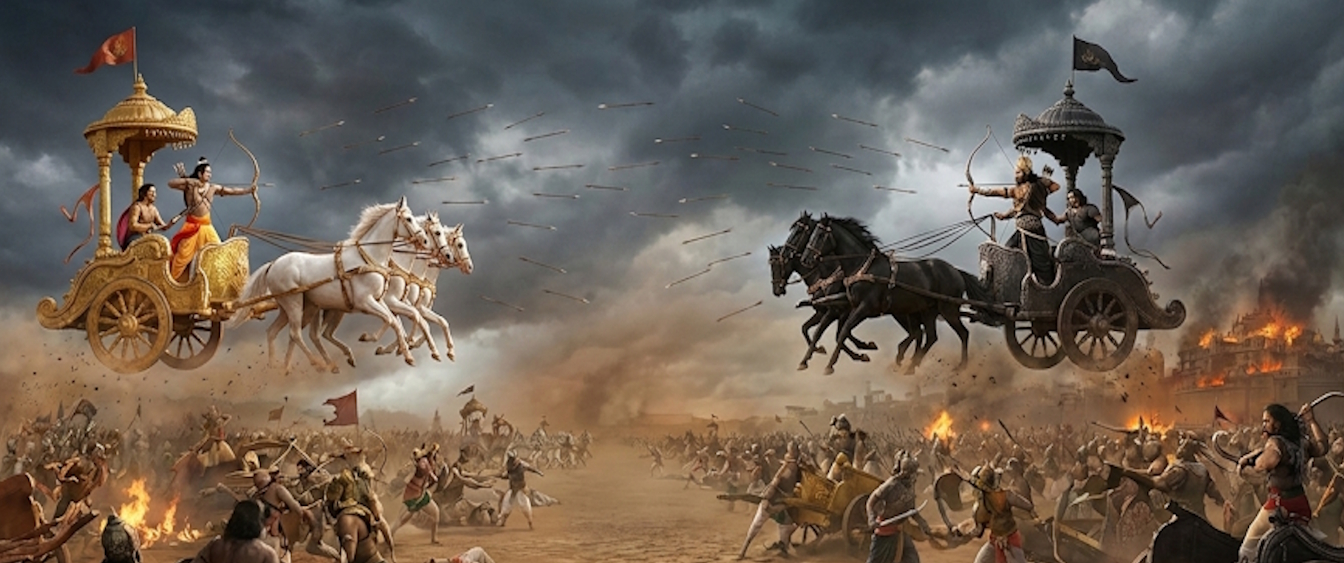
किंचिदाविग्नहृदयो जातक्रोधश्च रावणः ।
भर्त्सयामास तौ वीरौ कथान्ते शुकसारणौ ॥६-२९-५॥
kiṃcidāvignahṛdayo jātakrodhaśca rāvaṇaḥ |
bhartsayāmāsa tau vīrau kathānte śukasāraṇau ॥6-29-5॥
Translation
At the end of their report, Ravana, his heart slightly agitated and filled with anger, rebuked those two brave spies, Shuka and Sarana.
हिंदी अनुवाद
उन दोनों (शुक और सारण) की बात समाप्त होने पर, रावण का हृदय कुछ व्याकुल हो गया और उसे क्रोध आ गया। तब उसने उन दोनों वीर शुक और सारण को डांटा।
English Commentary
Hearing the unvarnished truth is often intolerable for a tyrant. Ravana's reaction is a mix of inner anxiety ('avignahrdaya') and outward rage ('jatakrodha'). The anxiety stems from the realization of the enemy's might, while the anger is a defense mechanism against his own fear, directed at his subordinates for praising the foe. This marks a failure in leadership; instead of strategizing based on the intelligence, he shoots the messenger, blinded by his ego.
हिंदी टीका
सत्य सुनना एक अहंकारी शासक के लिए सदैव कठिन होता है। रावण की प्रतिक्रिया 'किंचिदाविग्नहृदयो' (हृदय में थोड़ा व्याकुल) और 'जातक्रोध' (क्रोधित) के मिश्रण वाली है। व्याकुलता इसलिए है क्योंकि शत्रु का बल उसकी अपेक्षा से अधिक है, और क्रोध इसलिए है क्योंकि उसके अपने ही मंत्री शत्रु की प्रशंसा कर रहे हैं। रावण का यह व्यवहार 'विनाशकाले विपरीत बुद्धि' का परिचायक है। वह सूचना का विश्लेषण करने के बजाय, सूचना लाने वालों (मैसेंजर) पर ही क्रोधित हो रहा है, जो नेतृत्व की विफलता का संकेत है।